If you are drawn to Belmont for its hills, you are not alone. The city’s wooded slopes, bay outlooks, and open-space setting are a big part of what makes many homes feel special, and they often shape value in ways that flatter areas do not. If you are buying or selling here, understanding how hillside living affects privacy, views, access, and daily livability can help you make smarter decisions. Let’s dive in.
Why Belmont’s Hills Matter
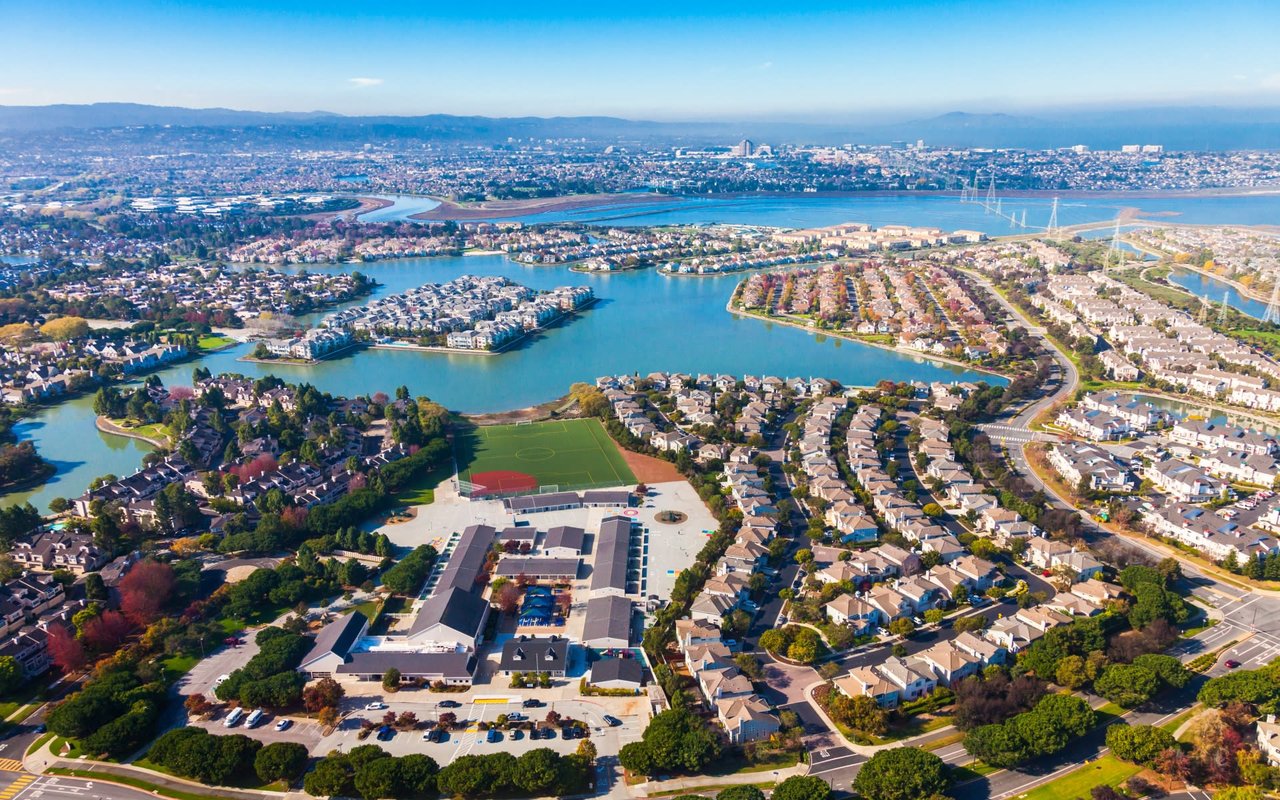
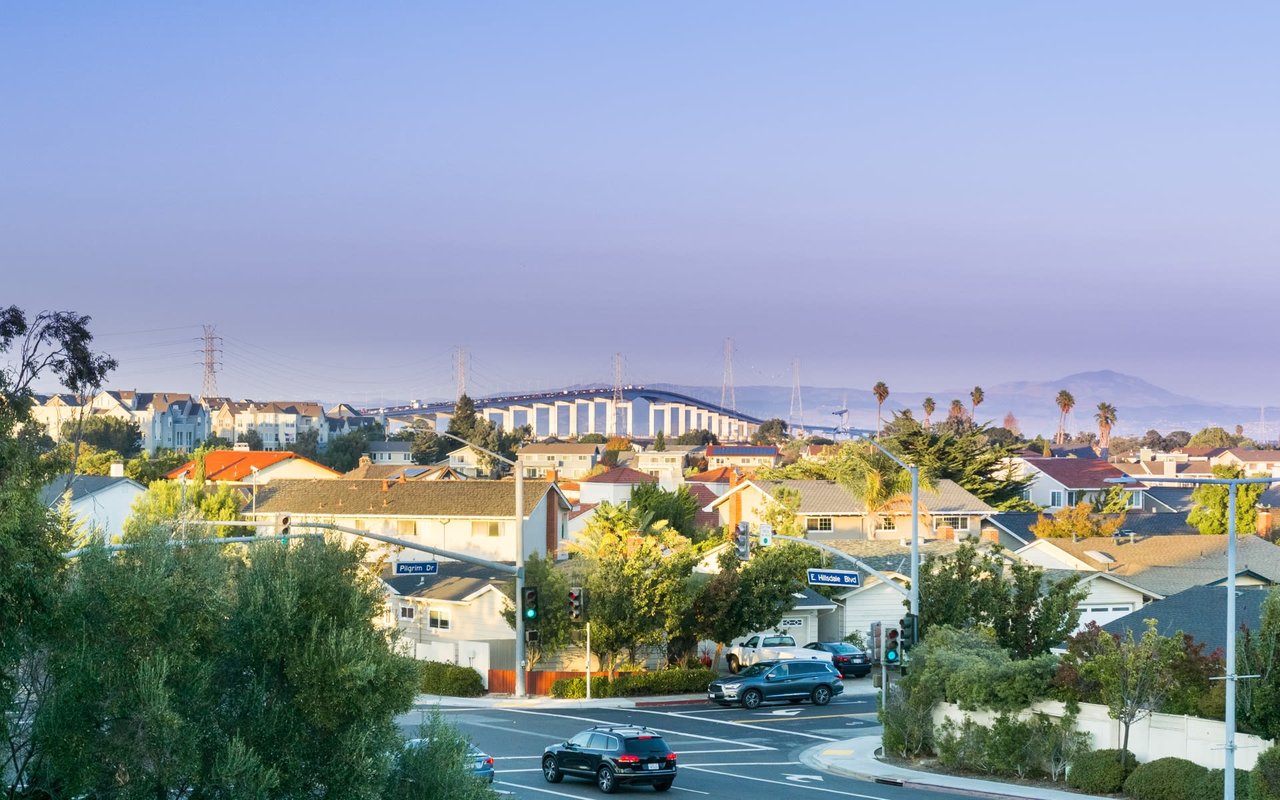
Belmont’s own planning documents describe the city as defined by wooded hills, views of the San Francisco Bay, and open space. Many neighborhoods sit on hillsides, and the city’s long-range planning treats that terrain as part of Belmont’s identity.
That matters because topography is not just scenery. In Belmont, the shape of the land often creates a different feel from one street to the next, with some homes offering more separation, broader outlooks, and a stronger sense of retreat.
For buyers, that can make certain hillside homes stand out quickly. For sellers, it means the location itself may be one of the home’s most marketable features when paired with usable living space and a view that is well captured.
How Hillside Location Shapes Home Value
In Belmont, hillside value often comes down to scarcity. Not every home has a broad bay view, a tree-lined outlook, or a setting beside open space, so the homes that do can attract strong attention.
Research cited in the planning context shows that scenic views and proximity to open space can have positive effects on home prices. The exact premium varies, but the pattern is consistent: buyers tend to respond to natural views, parks, trails, and protected open-space surroundings.
Belmont also has a strong recreation base for its size, with 14 developed parks on 31 acres and 337 acres of open space for hiking, running, and bike riding. That helps explain why homes with quick access to trailheads or nearby open space can feel especially appealing to active buyers.
Which Belmont Hillside Areas Stand Out
Belmont planning documents identify several view-oriented or hill-defined areas that help explain local buyer interest.
Skymont, Plateau, and Hallmark
The city’s General Plan EIR identifies Skymont, Plateau, and Hallmark as view-oriented pockets. Skymont is noted for views of the bay and surrounding hills, Plateau for outlooks toward open spaces and trees, and Hallmark for bay views to the east and mountains to the west.
These descriptions do not mean every home in these areas has the same value drivers. Instead, they show why buyers often pay close attention to street position, elevation, orientation, and whether the home actually captures the setting from main living areas.
Western Hills and Higher Elevation Areas
The same planning materials describe Western Hills as containing the most hills, with much of its land remaining open space. Hallmark is also described as a high-elevation residential neighborhood, with some larger two-story homes and edges adjacent to open space.
In practical terms, that can create a strong mix of privacy, natural surroundings, and scenic outlooks. It can also mean more tradeoffs related to slope, access, and lot usability, which buyers should evaluate carefully.
What Buyers Usually Value Most
A hillside home’s value is rarely about elevation alone. Buyers tend to focus on how the property lives day to day.
View Quality Matters More Than View Claims
A partial glimpse from one bedroom window is very different from a broad view from the kitchen, living room, or primary suite. Sellers often get the best response when the home’s main gathering spaces connect directly to the scenery.
The durability of the view matters too. A view that feels protected by open space or natural terrain may be perceived differently from one that could change depending on surrounding development patterns.
Usable Outdoor Space Counts
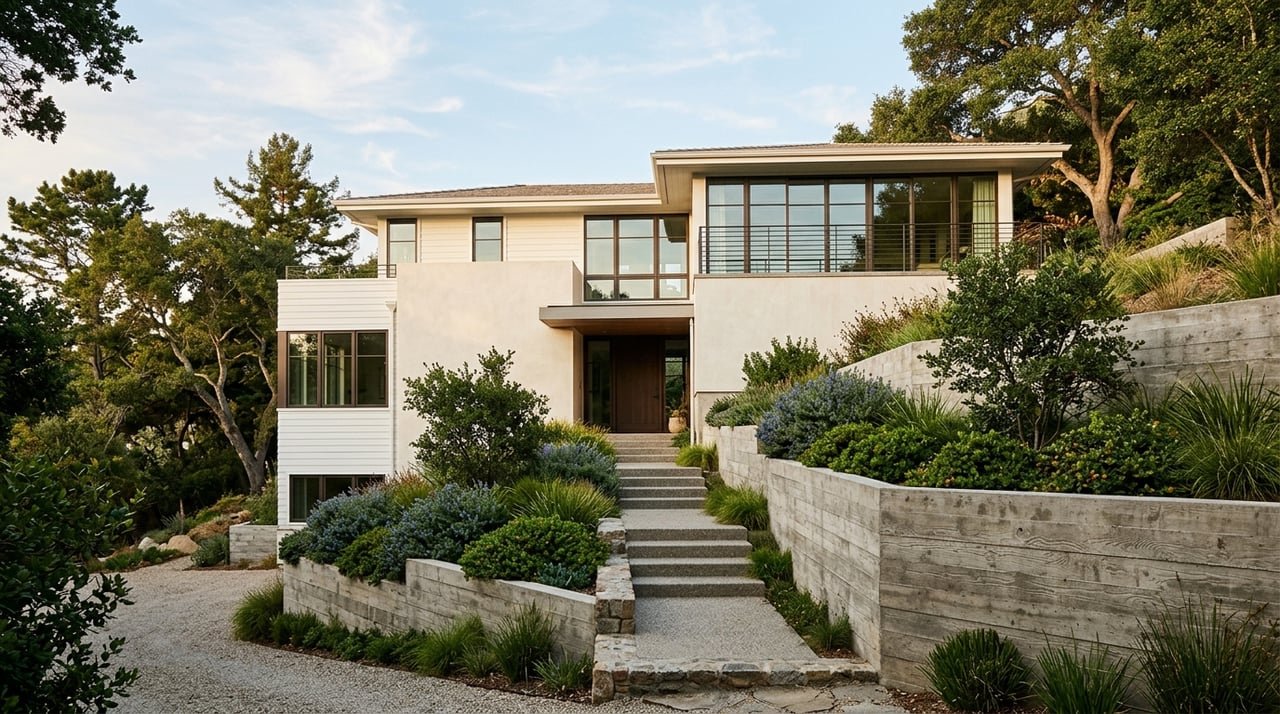
In hillside settings, outdoor space is often shaped around decks, patios, terraces, or smaller graded areas rather than one flat backyard. Buyers usually look beyond square footage and ask a simpler question: can I actually use this space every day?
A deck for dining, a patio for morning coffee, or a terraced yard with room for gardening can make a meaningful difference. In many hillside homes, thoughtful outdoor design helps translate location into real lifestyle value.
Privacy and Quiet Can Add Appeal
Because hillside streets often sit above busier corridors or back to open land, some homes feel more tucked away. That sense of separation can be a major draw for buyers who want a quieter setting while still staying connected to the Peninsula.
Of course, privacy varies by street, lot shape, and neighboring homes. The key is not the label of a neighborhood, but how the individual property sits on the land.
The Tradeoffs of Hillside Living
Belmont hillside homes can be beautiful, but they also require a practical eye. A smart purchase means weighing the benefits against the realities of the site.
Slopes, Stairs, and Split Levels
In day-to-day living, hillside homes often come with more stairs and multi-level layouts. That can add character and views, but it may not suit every household’s needs.
Outdoor areas may also be broken into tiers instead of one open yard. Some buyers love that design, while others prefer flatter, simpler spaces.
Driveways, Parking, and Access
Steeper lots can mean tighter driveway geometry or more limited parking solutions. Access may feel easy during a quick showing but more complicated in daily life, especially if a property has a narrow approach or less flexible turnaround space.
Belmont’s hillside guidance specifically notes that some areas can face limited access and infrastructure constraints. That is one reason due diligence should go beyond the home itself and include how the parcel functions.
Geologic and Development Considerations
The city warns that parcels in areas such as San Juan Hills and Western Hills can involve steep slopes, geological hazards, environmental protections, zoning constraints, and fire-access requirements. Belmont advises buyers to review planning documents, consult staff, verify access and utilities, and consider a licensed civil engineer or geotechnical consultant before buying.
Belmont also provides an Elevation Viewer and hazard mapping tools with layers for slopes over 30 percent, liquefaction susceptibility, and landslide probability. The California Geological Survey identifies Belmont as a jurisdiction affected by official seismic hazard-zone maps designed to reduce risks from liquefaction and earthquake-induced landslides.
How Commute and Convenience Affect Value
One of Belmont’s most important value tradeoffs is convenience versus elevation. That balance often shapes how buyers compare hillside homes with lower-elevation options.
Belmont’s circulation plan notes that Ralston Avenue is the city’s only major east-west route spanning the city, while US 101 and I-280 provide regional connectivity. Belmont Station sits on Ralston between El Camino Real and Old County Road, and the city identifies SamTrans and Caltrain as the primary transit services.
That means lower-elevation or closer-in neighborhoods may feel more convenient for transit, errands, and daily commuting. Higher hillside pockets may offer bigger views, quieter streets, and more distance from traffic, but the tradeoff is often a longer or more layered trip in and out.
What Sellers Can Do to Maximize Hillside Value
If you are selling a hillside home in Belmont, the goal is to help buyers understand both the beauty and the functionality of the property. Preparation matters.
Highlight the Best Sightlines
If the home has a view, make sure buyers can experience it clearly from the spaces that matter most. That may mean simplifying window areas, improving deck presentation, or arranging furniture to emphasize the outlook.
In hillside homes, a view often needs to be framed well to feel valuable. Buyers respond most strongly when the connection between the interior and the setting feels natural and obvious.
Make Outdoor Areas Feel Livable
Even a modest terrace or deck can become a strong selling feature if it feels inviting and usable. Clean staging, defined seating areas, and thoughtful presentation can help buyers picture daily life there.
This is especially important when the lot is steep. A well-prepared outdoor area can shift the conversation from what the yard is not to what the space does well.
Address Practical Questions Early
Buyers tend to ask more questions on hillside properties, and that is reasonable. They may want to understand slope, drainage, access, parking, retaining features, or past improvements.
A well-prepared seller is often in the best position to build confidence. Clear documentation, thoughtful preparation, and a realistic pricing strategy can help reduce hesitation and strengthen buyer response.
Why Market Context Still Matters
Even with location-specific advantages, hillside homes do not sell in a vacuum. They still respond to broader market conditions, pricing discipline, and presentation quality.
Redfin reports that Belmont remains a very competitive market, with homes receiving 8 offers on average and selling in around 12 days over the three months ending May 2026. The median sale price in that period was $2.25 million, down 7.1 percent year over year.
That mix is worth noting. Even in a somewhat softer year-over-year price environment, strong competition suggests that well-located homes with compelling features can still attract meaningful buyer interest.
The Bottom Line on Belmont Hillside Living
Belmont’s hills shape more than the view from your window. They influence privacy, outdoor living, access, commute patterns, and the way buyers perceive rarity and long-term appeal.
If you are buying, it helps to balance beauty with careful due diligence. If you are selling, it pays to present the view, usability, and practical strengths of the property in a clear and confident way.
With hillside homes, details matter. The right guidance can help you see which features truly add value and which tradeoffs need a closer look. If you are thinking about buying or selling in Belmont, Carmen Miranda can help you evaluate the property, the market, and the strategy with clear local insight.
FAQs
How do Belmont hills affect home value?
- Belmont hills can increase buyer interest by creating scenic views, privacy, and access to open space, but value depends on the quality of the view, outdoor usability, and overall livability of the property.
Which Belmont neighborhoods are known for hillside views?
- Belmont planning documents identify Skymont, Plateau, and Hallmark as view-oriented areas, and they also describe Western Hills as a highly hilly area with substantial open space.
What should buyers check before buying a Belmont hillside home?
- Buyers should review slope, access, utilities, hazard maps, zoning constraints, and site conditions, and Belmont advises consulting city staff and, when needed, a licensed civil engineer or geotechnical consultant.
Are Belmont hillside homes harder to live in day to day?
- Some can be, depending on the property, because hillside homes often include more stairs, split-level layouts, steeper driveways, and terraced outdoor space instead of one flat yard.
Do homes near Belmont open space usually attract buyers?
- They often do, because research supports positive buyer response to scenic open space and trail access, and Belmont offers 337 acres of open space plus multiple trailheads, including access to Water Dog Lake & Open Space.
How can sellers improve resale appeal for a Belmont hillside home?
- Sellers can improve appeal by highlighting the best views, making decks or patios feel usable, preparing clear property information, and presenting the home in a way that connects the setting to everyday living.