If you want a Bay Area home base that makes daily logistics easier without giving up a true neighborhood feel, Millbrae deserves a closer look. For many buyers, the challenge is finding a place that balances commute access, practical errands, and a sense of community in one compact location. Millbrae stands out for exactly that mix, and understanding how the city is laid out can help you decide whether it fits your lifestyle. Let’s dive in.
Why Millbrae Stands Out
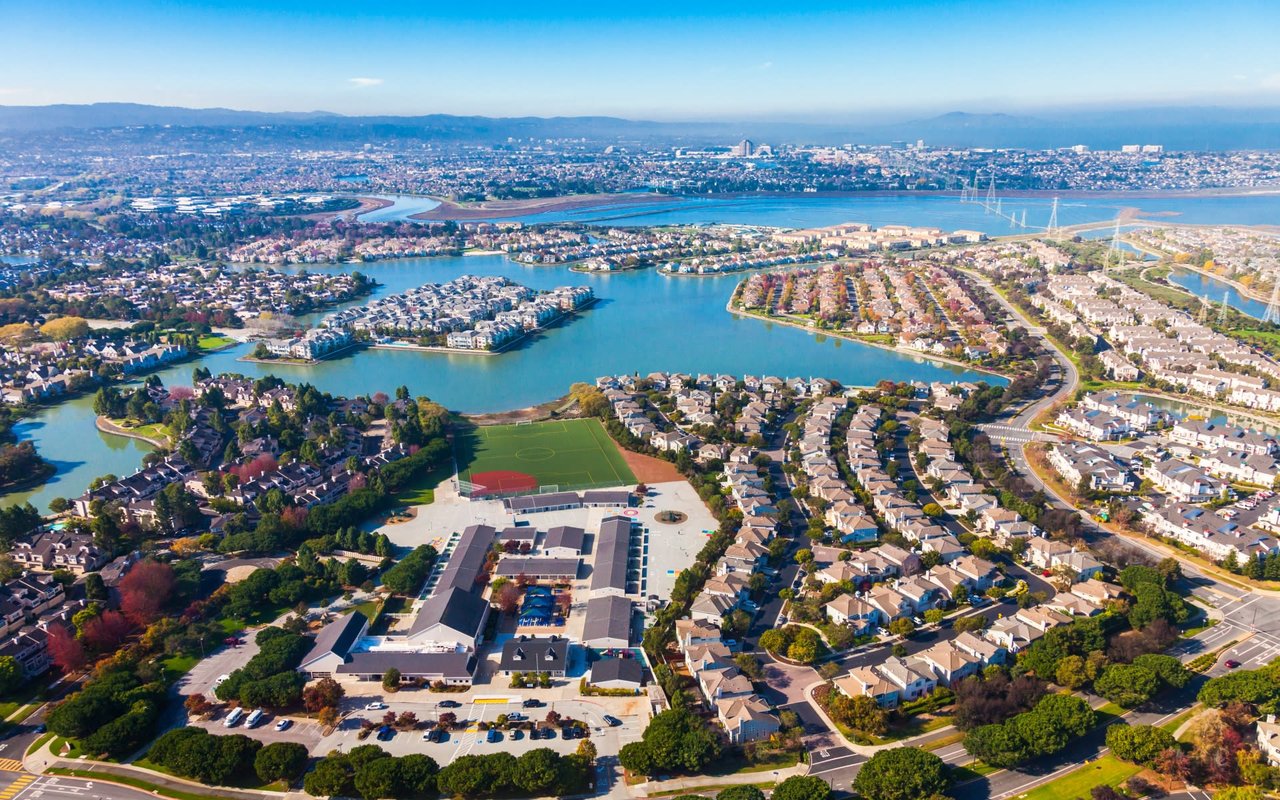
Millbrae is a small San Mateo County city of about 3.25 square miles with nearly 23,000 residents. It sits just west of SFO, south of San Francisco, and north of Silicon Valley, which gives it a strong geographic advantage for Peninsula living.
What makes Millbrae especially interesting is how much it packs into a compact footprint. You get a transit-centered downtown, established residential areas, local parks, and quick regional connections without needing to cross a large city to get from one part of town to another.
Millbrae Commute Benefits
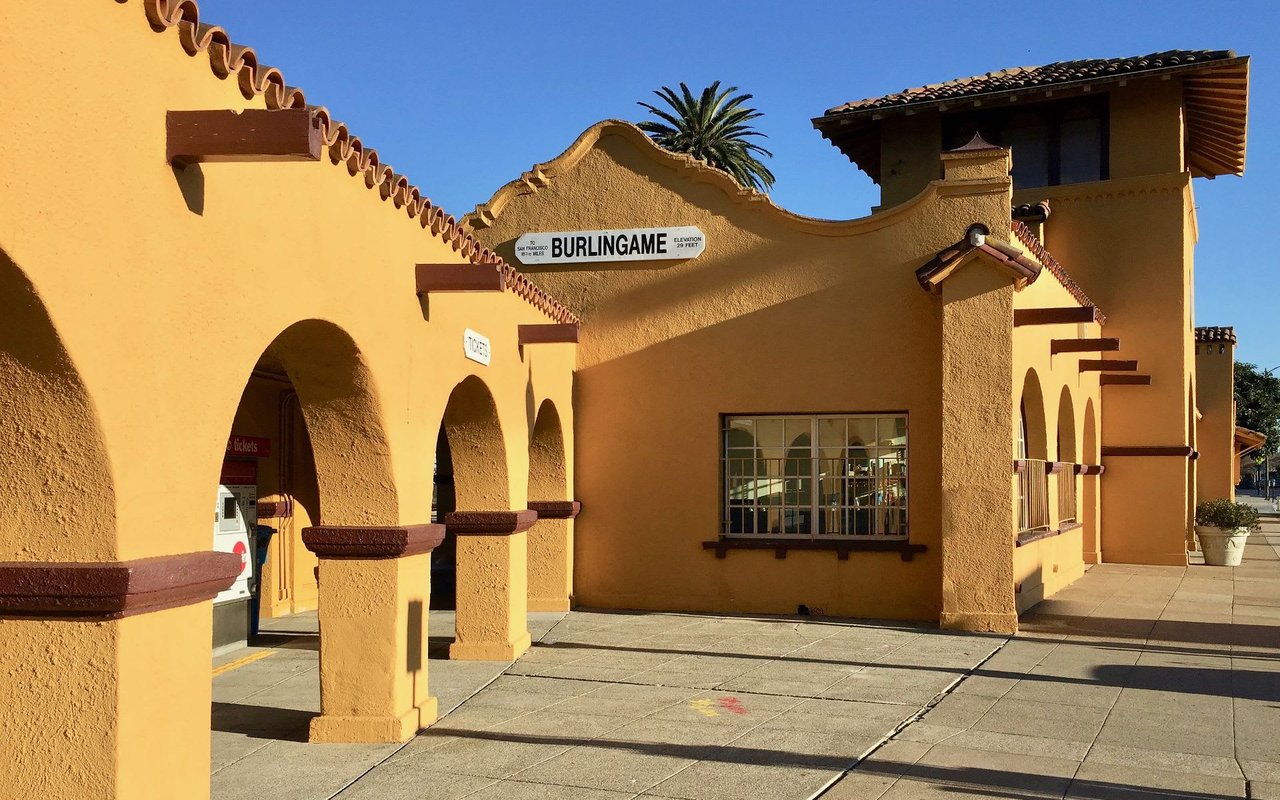
For commuters, Millbrae Station is the city’s anchor. BART identifies it as a station with a cross-platform connection to Caltrain, and Caltrain notes that transfers are coordinated there, creating a practical hub for Peninsula and San Francisco travel.
The City of Millbrae also describes the community as connected through BART, SamTrans, Caltrain, and SFO. In everyday terms, that means Millbrae works less like a place where you piece together separate transit systems and more like a city built around one useful transfer point.
Transit Access in Daily Life
Millbrae Station is not tucked away on the edge of town. The city says downtown is about a 3-minute walk from the station, which makes transit part of the daily rhythm rather than a special trip.
That matters if you want options. You may be commuting into San Francisco, heading down the Peninsula, catching a flight, or mixing driving with transit on different days of the week.
A Practical Intermodal Hub
For mixed-mode routines, the station includes parking, bike racks, BikeLink lockers, and restrooms. Those details may sound small, but they make a difference if you are balancing work, errands, and travel on a tight schedule.
For many residents, convenience is not just about distance. It is about how smoothly one part of the day connects to the next, and Millbrae’s station setup supports that kind of flexibility.
SFO Access Is a Real Advantage
One of Millbrae’s biggest lifestyle benefits is its close relationship to San Francisco International Airport. SFO is adjacent to the city, and the airport’s public transit information notes that riders can take a Millbrae-bound BART train and transfer to Caltrain at Millbrae Station.
If you travel often for work, have out-of-town family, or simply want easier airport days, that proximity can be a major quality-of-life win. Same-day travel becomes more manageable when the airport is part of your local transportation network.
Good for Frequent Travelers
In many Bay Area communities, airport access can mean a long drive, a rideshare with traffic uncertainty, or a time-consuming transit combination. In Millbrae, the airport is woven much more directly into how the city functions.
That can appeal to buyers who want to stay connected to the broader region without feeling far from home. It is one of the clearest reasons Millbrae continues to attract relocation-minded and move-oriented buyers.
Downtown Millbrae Is Built for Convenience
Millbrae’s downtown core is designed to be walkable and transit-oriented. The Downtown and El Camino Real Specific Plan describes it as a district intended to mix housing, restaurants, retail, hotels, offices, and entertainment.
The city’s economic development information also points to a business base that includes shopping, restaurants, service businesses, and hotels, especially along Broadway, El Camino Real, and Millbrae Avenue. For you, that can translate into more errands and outings that do not require a long drive.
What Everyday Convenience Looks Like
A convenient city is not just about one destination. It is about how easily you can move between coffee, groceries, dining, appointments, transit, and home.
Millbrae’s compact layout supports that kind of routine. If you value being able to combine daily tasks into a shorter, simpler loop, the downtown area is a meaningful part of the city’s appeal.
Residential Feel Beyond Downtown
While the station area and downtown draw a lot of attention, Millbrae is not only a transit village. The city stretches from Bayshore Freeway on the east to Skyline Boulevard on the west, and that geography creates a noticeable lifestyle contrast across town.
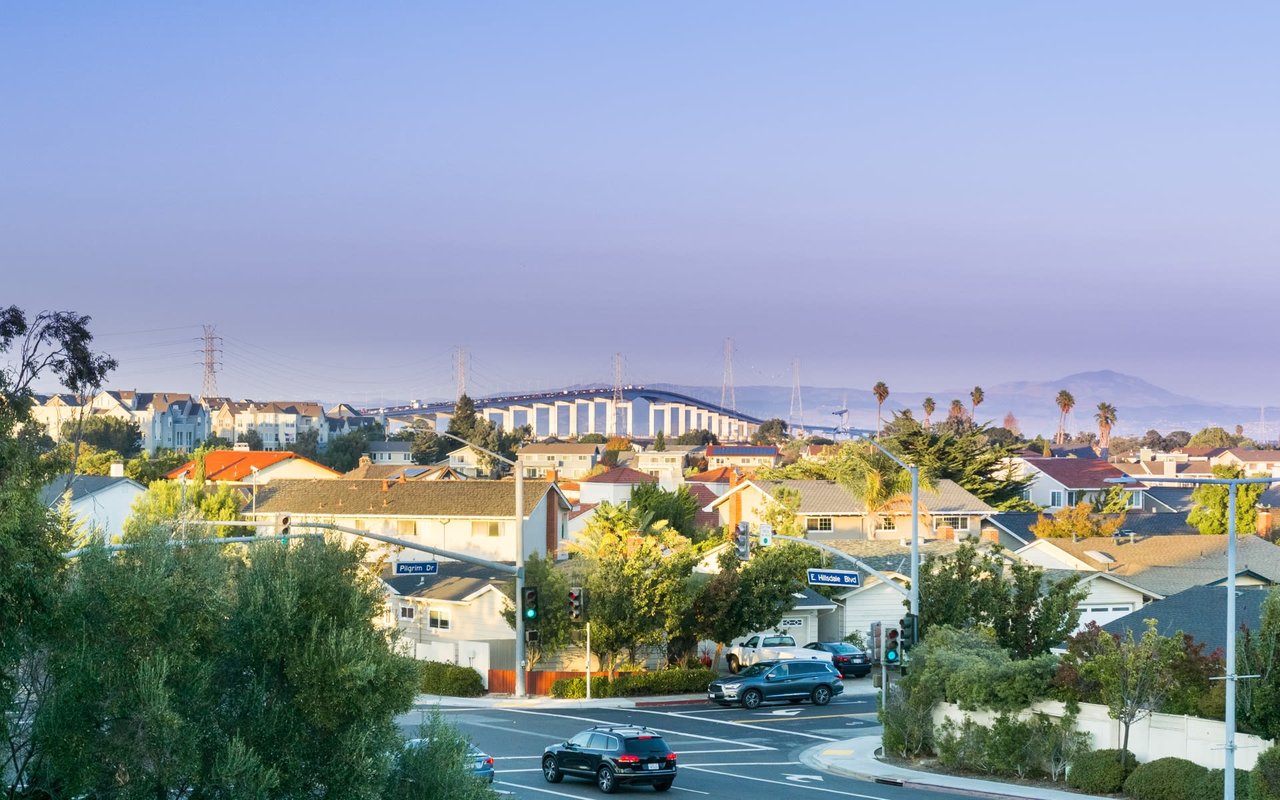
Closer to the core, you will find the more transit-oriented, mixed-use environment the city is planning for over the long term. Broader residential areas, including hillside sections, offer a different feel, and the city notes that many hillside homes have bay views.
A City With Two Distinct Rhythms
This split is one of Millbrae’s defining features. You can look at homes near downtown and the station if you want easier walkability and proximity to regional transit, or you can focus on more residential pockets if you prefer a quieter neighborhood setting.
That range gives buyers flexibility within a relatively small city. It also helps explain why Millbrae can appeal to people with very different daily routines.
Parks and Open Space Add Balance
Convenience matters, but so does breathing room. Millbrae’s Parks Division maintains 13 parks, the Spur Trail, and other civic open spaces, along with thousands of trees throughout the community.
Central Park is the city’s largest recreation area at 8.1 acres. It includes a playground, field, picnic areas, tennis courts, and bathrooms, making it a practical resource for everyday outdoor time.
Community Spaces That Get Used
Parks do more than fill space on a map. They shape how a city feels week to week by giving residents places to gather, unwind, and build routines outside the home.
In a compact city like Millbrae, access to maintained public spaces can make daily life feel more balanced. That is especially valuable if you want a location that supports both movement and downtime.
Community Events Help Create Connection
Millbrae also offers a steady community rhythm through local programming and shared spaces. The Recreation Center, which opened in 2022, supports classes, rentals, senior programming, sports, and youth camps.
City event pages highlight recurring activities such as Beats, Brews & Vines and Millbrae Goes to the Movies in Central Park. The Chamber also notes that it has sponsored the Millbrae Farmers Market since 1993, which adds another long-running point of local connection.
Small-City Feel Matters
For many buyers, community is not just about where you live. It is about whether a place gives you easy ways to participate, see familiar faces, and feel grounded.
Millbrae’s event calendar and civic amenities support that smaller-city feel. Even with strong regional access, the city keeps a local rhythm that can feel more personal and approachable.
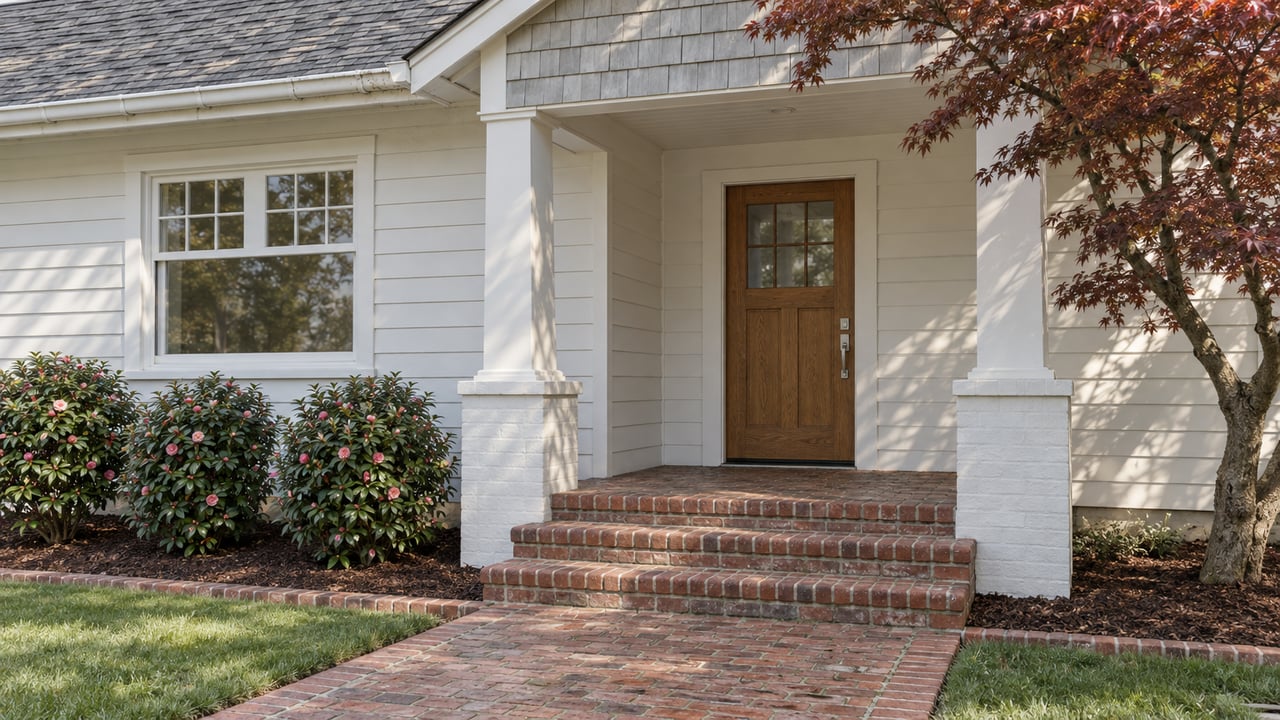
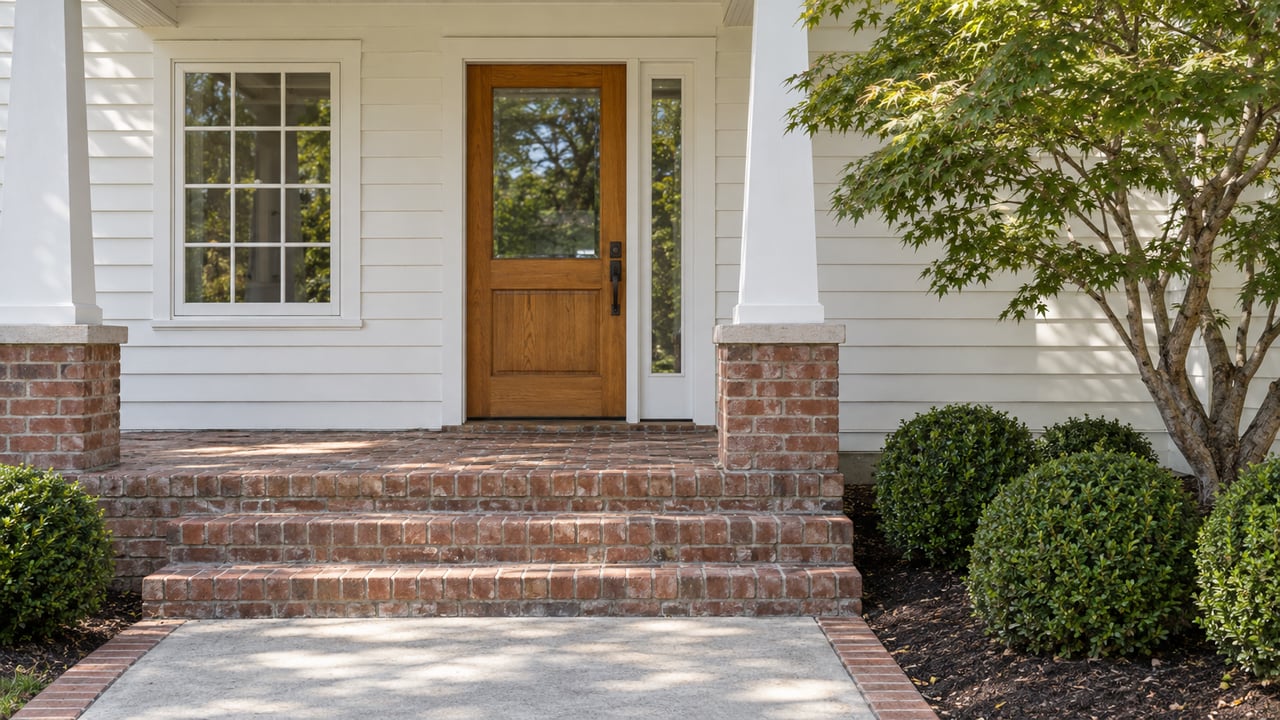
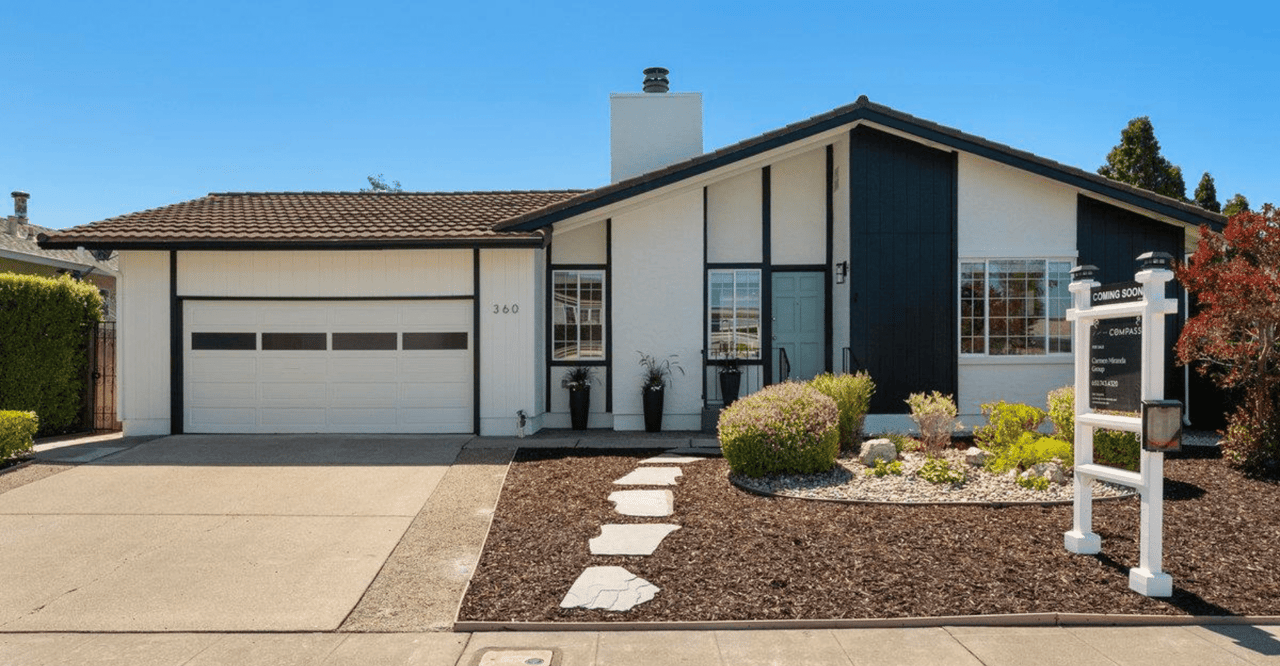
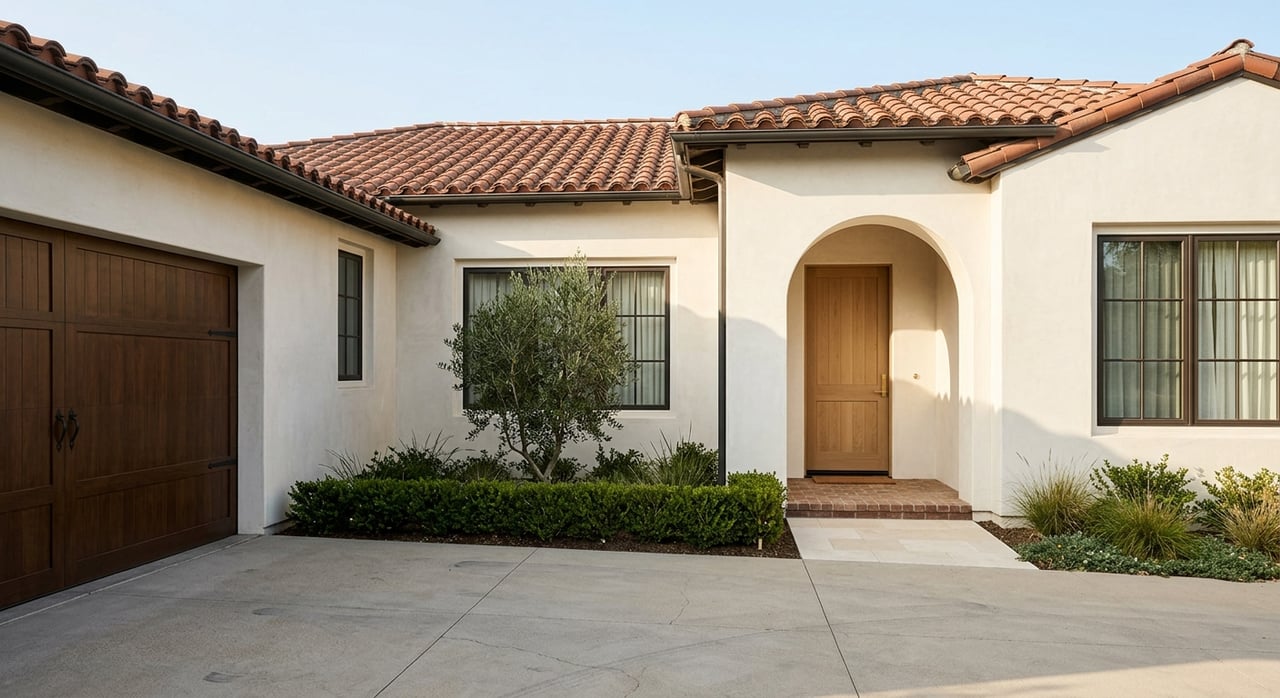
What Homes Look Like in Millbrae
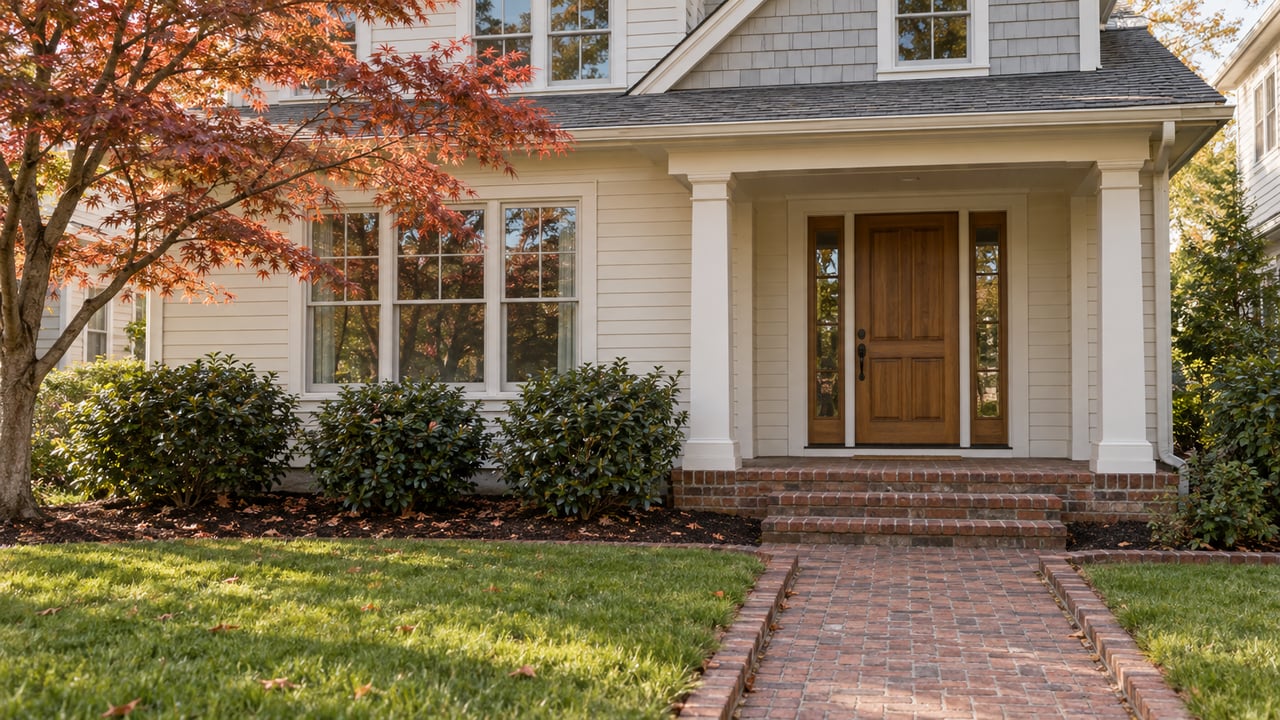
Millbrae’s housing stock remains mostly detached single-family homes. According to the city’s Housing Element, 62.4% of homes were detached single-family in 2020, while 30.5% were in medium- or large-multifamily buildings.
At the same time, the city notes that multifamily units grew faster than single-family units between 2010 and 2020. That trend fits with the long-range planning focus around the station area and downtown, where higher-density, transit-oriented mixed use is being encouraged.
What That Means for Buyers
If you are home shopping in Millbrae, it helps to think in terms of subareas and housing types. Detached homes still shape much of the city, while condos, apartments, and other multifamily options are more likely to align with the transit-focused growth near downtown.
This mix gives Millbrae broader appeal than a city with only one housing pattern. You may be able to prioritize commute convenience, residential feel, or a blend of both depending on where you search.
Millbrae Home Prices and Market Pace
Millbrae sits in the upper-priced tier of the Peninsula market. Redfin reports a median sale price of about $1.85 million for the three months ending May 2026, with homes going pending in about 12 days and selling at about 108.7% of list price.
Realtor.com shows a median listing price of $1.688 million and a median sold price of $1.894 million as of May 2026. For rentals, Realtor.com reports a median rent of $3,075 per month.
Be Ready for a Competitive Market
Those numbers suggest a market where well-positioned homes can move quickly. If you are buying, preparation matters because timelines may be short and pricing can be competitive.
If you are selling, Millbrae’s combination of location, transit access, and lifestyle convenience can support strong buyer interest when a home is thoughtfully prepared and well timed. In a market like this, strategy often matters just as much as the property itself.
Is Millbrae Right for You?
Millbrae tends to make sense for buyers who want regional access without living in a much larger city. It can be especially compelling if you value a short link to SFO, a real transit hub, practical downtown convenience, and residential neighborhoods that still feel established.
The city’s strongest lifestyle story is not just one feature. It is the combination of airport access, coordinated transit, walkable daily needs, public parks, and a community calendar that helps the city feel connected on both the local and regional level.
If you are comparing Peninsula cities, Millbrae is worth seeing in person because the layout tells the story. The station area, downtown core, and residential hillsides each offer a different experience, and the right fit often becomes clearer once you understand how those pieces work together.
If you are considering a move in Millbrae or anywhere nearby in San Mateo County, working with a local advisor can help you match your goals to the right block, housing type, and timing strategy. When you are ready to talk through your options, connect with Carmen Miranda.
FAQs
What is Millbrae known for?
- Millbrae is known for its strong transit access, adjacency to SFO, walkable downtown core, parks, and a mix of residential neighborhoods and transit-oriented areas.
How convenient is commuting from Millbrae?
- Millbrae offers access to BART, Caltrain, SamTrans, and SFO through Millbrae Station, which functions as a key regional transfer hub.
Is downtown Millbrae walkable?
- The city’s downtown and El Camino Real core is planned as a walkable, transit-oriented district with housing, restaurants, retail, hotels, offices, and entertainment.
What types of homes are in Millbrae?
- Millbrae is still primarily made up of detached single-family homes, though multifamily housing has grown faster in recent years, especially near transit-focused areas.
How expensive is the Millbrae housing market?
- As of May 2026, reported median pricing places Millbrae in the upper-priced Peninsula tier, with median sale and sold prices roughly in the high $1.8 million range.
Does Millbrae have parks and community events?
- Yes. Millbrae has 13 parks, the Spur Trail, a Recreation Center, recurring events in Central Park, and a long-running farmers market sponsored by the Chamber.