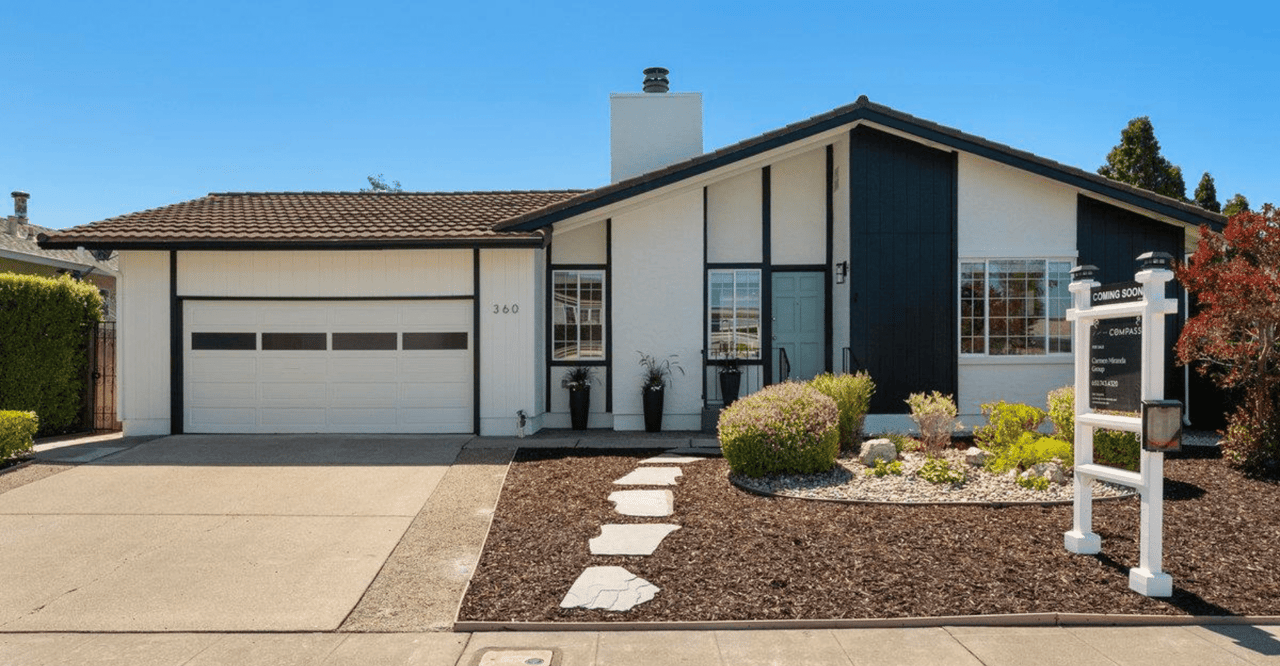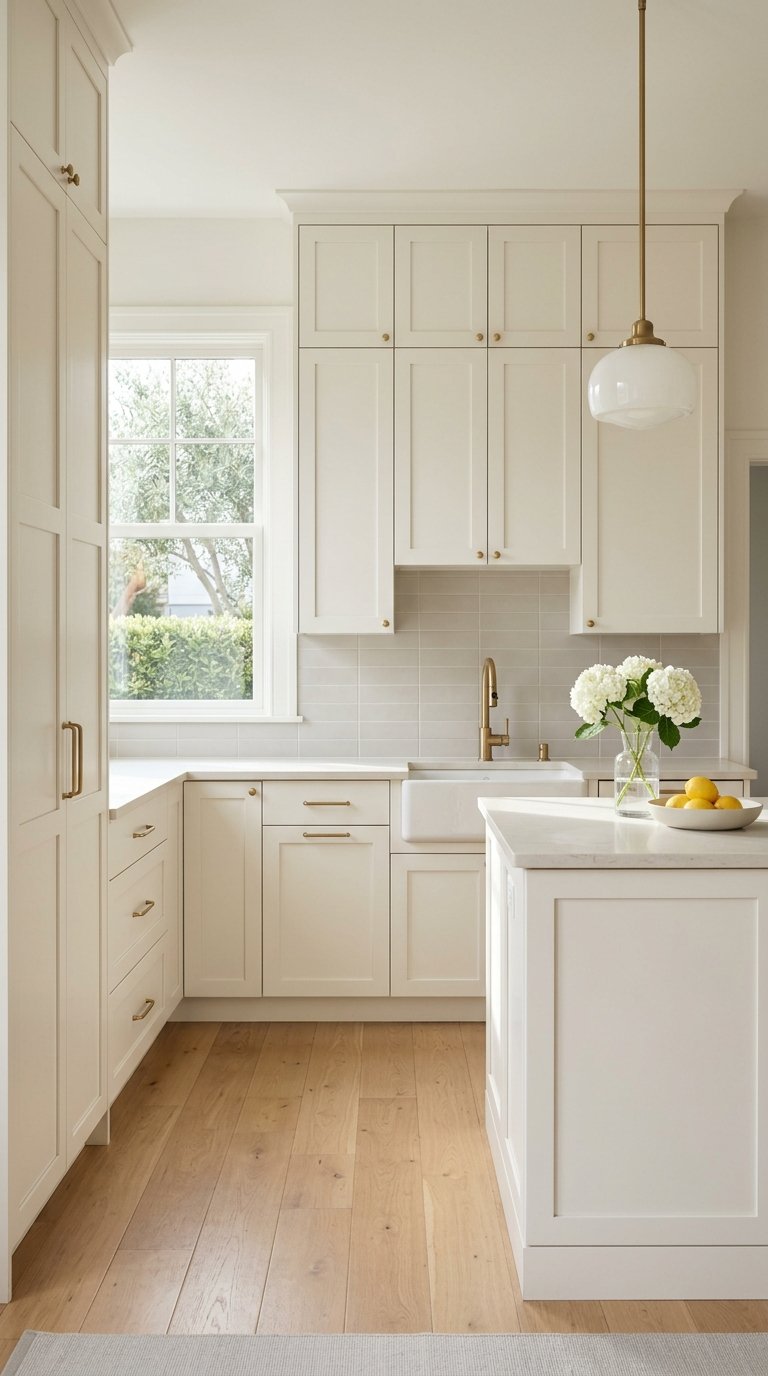
If your San Carlos home no longer fits the way you want to live, downsizing can open the door to a simpler next chapter without leaving the Peninsula you know well. For many longtime owners, this is not just about moving to a smaller place. It is about protecting your equity, reducing stress, and lining up the timing so your sale and next purchase work together. This guide will walk you through smart downsizing strategies for San Carlos homeowners so you can plan with more clarity and confidence. Let’s dive in.
Why downsizing in San Carlos is different
In San Carlos, downsizing is often a financial and lifestyle decision at the same time. Redfin’s March 2026 market snapshot placed the city’s median sale price at $2.75 million, which is well above the San Mateo County median of $1.755 million. For many longtime owners, that gap creates meaningful equity that can be used more strategically.
At the same time, most sellers are not heading far away. Zillow found that 52% of sellers moved within the same ZIP code, and only 13% moved to another state. That matters in San Carlos, where many homeowners want to stay close to familiar routines, local services, transit access, and downtown amenities.
Start planning earlier than you think
One of the biggest mistakes downsizers make is waiting too long to prepare. Zillow found that the typical seller spends about 3 to 4 months seriously thinking about the move before listing. In a seasonal Bay Area market, that planning window matters.
Redfin’s 2026 seasonality analysis shows West Coast markets tend to peak earlier than the national pattern, with nearby Bay Area cities reaching their strongest timing in March or late March. For a San Carlos homeowner, that means your ideal launch may depend on work that starts months earlier, including sorting belongings, making repairs, staging, and planning your next move.
Define your next-home priorities first
Before you make updates to your current home, get clear on what you want next. Downsizing works best when you know whether you are looking for a smaller single-family home, a condo, a townhome, or a single-level layout. You also need to decide whether staying in San Carlos or moving to another Peninsula community makes the most sense for your day-to-day life.
San Carlos offers a strong stay-local case. The city highlights its pedestrian-friendly downtown and access to Caltrain and SamTrans, which can be a major advantage if walkability and convenience are becoming more important to you. The city’s 2023 to 2031 Housing Element also plans for more than 3,000 new units, mostly in multifamily and mixed-use areas, which may gradually expand smaller-footprint housing choices.
A helpful way to narrow your options is to rank your priorities in order. For example:
- Less maintenance
- Fewer stairs
- Walkability to downtown
- Easier access to transit
- Lower monthly costs
- Space for guests or hobbies
- A lock-and-leave setup for travel
Once you know what matters most, your sale strategy becomes easier to shape.
Prepare your current home to feel easy to buy
When you are downsizing, your current home is often your biggest financial asset. That is why presentation matters. NAR’s 2025 staging report found that 29% of agents said staging increased offered value by 1% to 10%, and 49% said it reduced time on market.
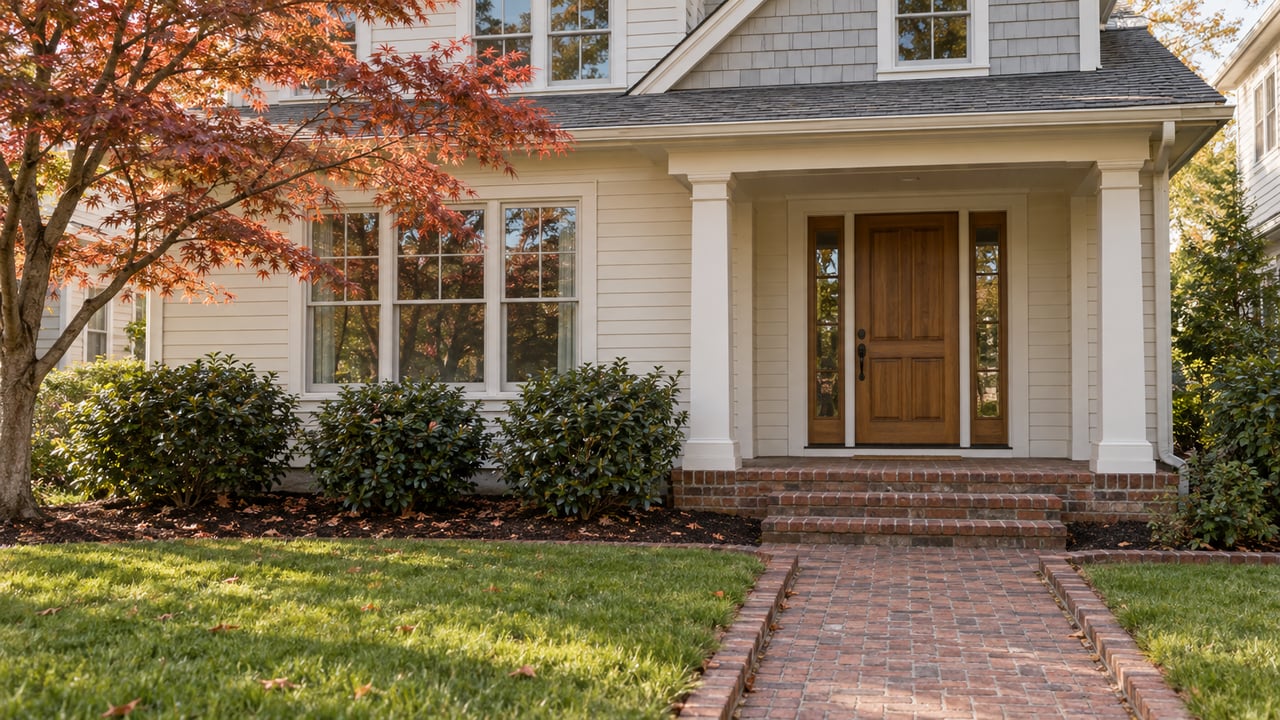
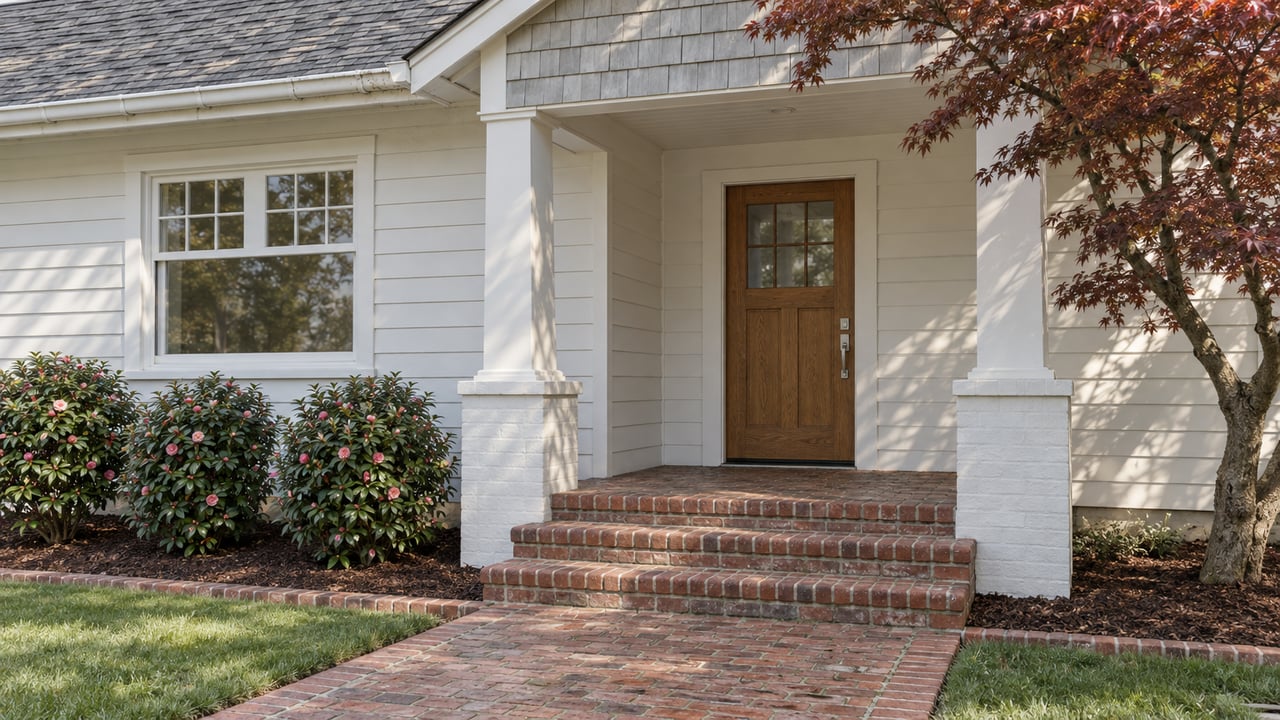
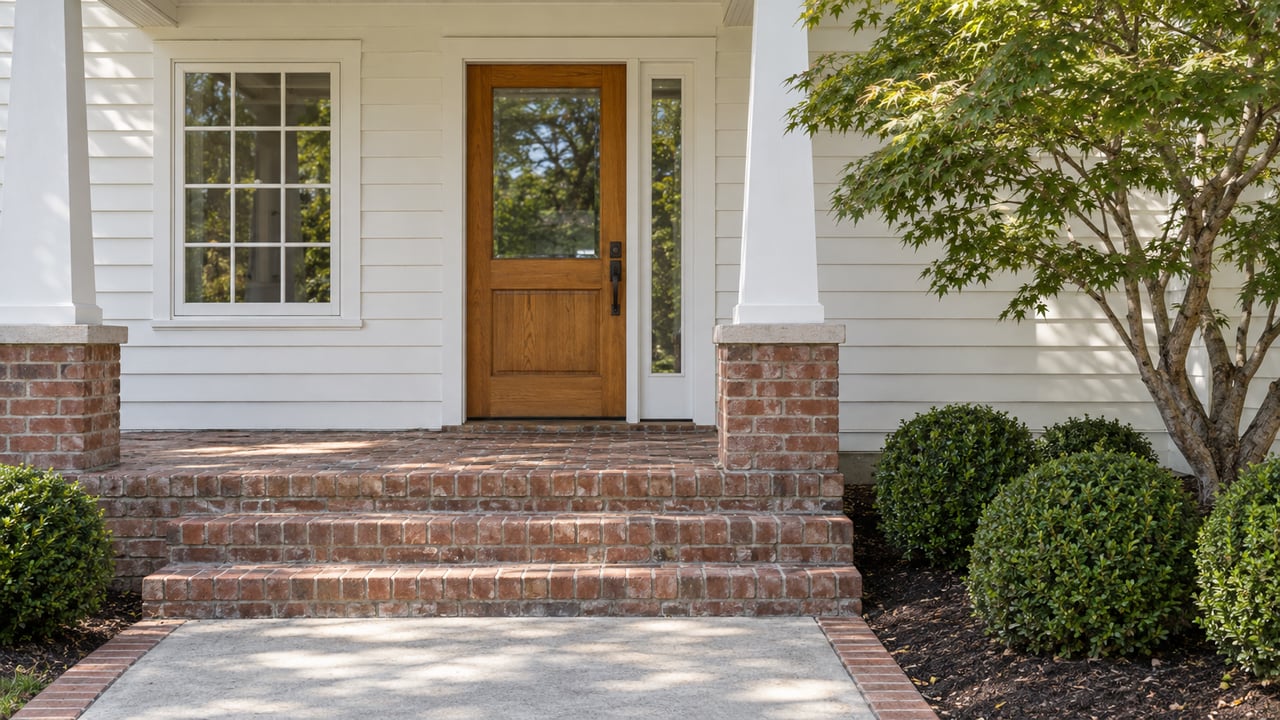
Staging is not only about furniture. It usually starts with cleaning, decluttering, repairs, depersonalizing, and small updates that help buyers see the home clearly. Redfin’s 2026 spring selling guidance also notes that buyers expect clean, organized, well-maintained, move-in-ready homes with no major visible repair issues.
For many San Carlos sellers, the smartest pre-sale work includes:
- Decluttering closets, cabinets, and storage areas
- Fresh interior paint in clean, neutral tones
- Light carpentry and hardware updates
- Landscaping refresh and exterior touch-ups
- Small visible repairs that signal good maintenance
This is where experienced coordination can make a real difference. A thoughtful seller-prep plan helps you focus on improvements that support value and marketability without overspending on projects that may not move the needle.
Reduce surprises before you list
A smooth downsize depends on more than getting an offer. NAR’s consumer guidance notes that a signed contract is not a guarantee of closing, and recent transactions have had about a 5% fallout rate. Common issues include financing, inspection findings, appraisal concerns, and title problems.
If your goal is a lower-stress move, it helps to address likely trouble spots before your home hits the market. That often means ordering a presale inspection, reviewing title early, and setting a realistic price from the start. Solving problems ahead of time gives you more control and reduces the risk of a delayed or failed closing.
This step can be especially important if you are counting on sale proceeds for your next purchase. The fewer surprises you leave for the middle of escrow, the easier it is to manage the rest of the move.
Choose the right sale-and-purchase sequence
Downsizing is not only about selling well. It is also about deciding how your current home sale and your next purchase will overlap. In most cases, the decision comes down to three paths.
Sale first
Selling first gives you the clearest picture of your budget. You know exactly how much equity you have to work with, and you reduce the risk of carrying two homes at once. This can be the most comfortable option if you want financial clarity before making your next move.
Buy first with bridge timing
If the right replacement home appears before your current home sells, bridge-loan strategies may help you access equity before closing. NAR notes that bridge loans can help owners complete the transition while their current residence is still being sold. In a competitive market, this can strengthen your purchase position by avoiding a home-sale contingency.
Managed overlap
Some homeowners prefer a carefully planned overlap, where the sale and purchase are timed closely together. This can work well, but it requires strong coordination, realistic timelines, and backup plans in case one side moves faster than the other.
The best choice depends on your finances, comfort level, and the type of replacement property you want. The key is to decide early, not after your home is already on the market.
Check permits and approvals early
If you are planning more than cosmetic work before selling, check city requirements before you begin. In San Carlos, the Building Division and Planning Division are the right places to verify whether a project is permit-exempt or permit-required. Waiting until the last minute can delay your listing timeline.
This is especially relevant for downsizers who want to make strategic updates before selling. A simple paint-and-polish plan is usually straightforward. Larger improvements can add complexity, so it is wise to confirm the scope and timing upfront.
Compare nearby downsizing options
Many San Carlos homeowners want to stay on the Peninsula, even if they move to a different city or property type. The local market offers a wide range of smaller-home possibilities, from downtown condos to townhomes and lower-maintenance communities. These March 2026 reference points show the range:
| Area | Median Sale Price | Days on Market |
|---|---|---|
| Downtown San Mateo | $870,000 | 19 |
| Downtown Millbrae | $906,500 | 31 |
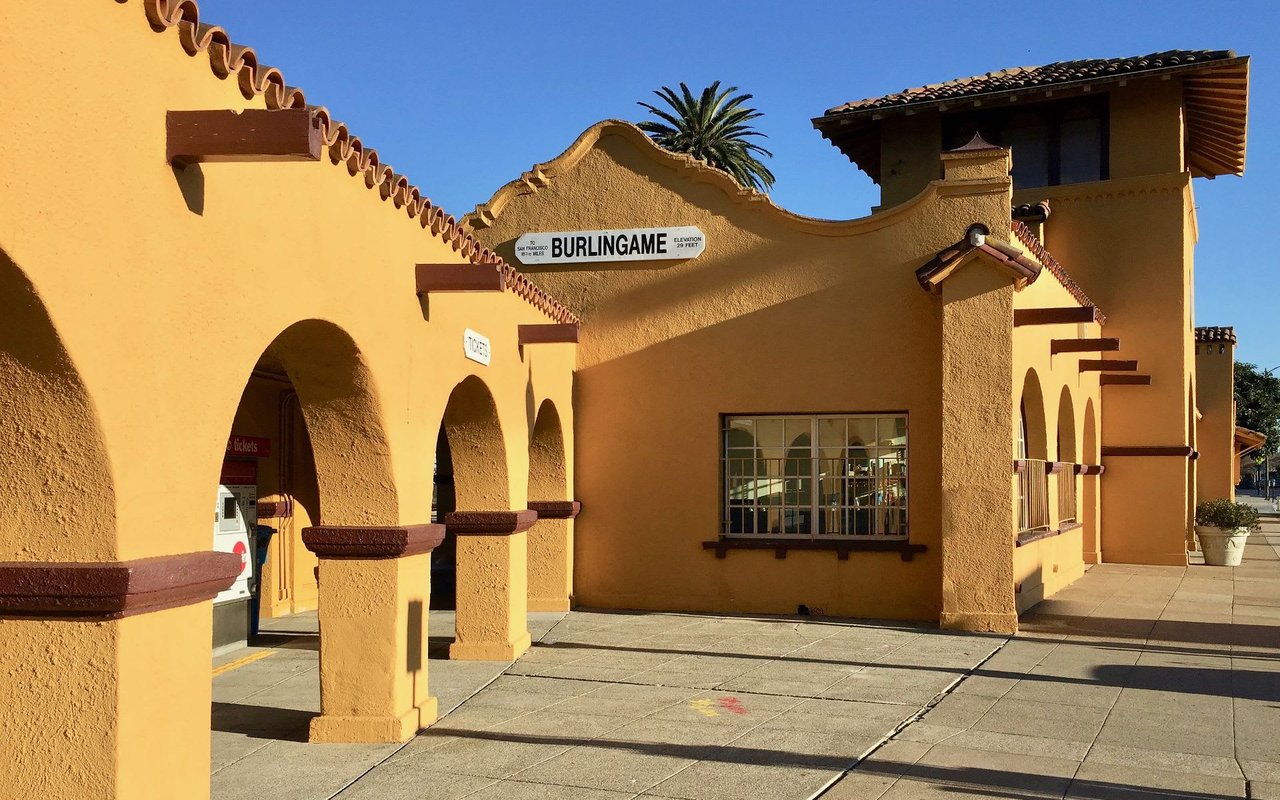
| Downtown Burlingame | $1.1M | Not provided |
| Redwood Shores | $1.25M | About 25 |
| South San Francisco | $1.3175M | 13 |
| Foster City | $1.703M | 9 |
These are not forecasts, but they do show how broad the nearby options can be. For some homeowners, the best fit is a condo near downtown shops and transit. For others, it may be a townhome, a single-level property, or a move that keeps them close to friends and family while lowering maintenance.
Do not overlook Proposition 19
If you are age 55 or older, Proposition 19 may be an important part of your downsizing plan. California’s Board of Equalization says eligible homeowners may be able to transfer the taxable value of a principal residence to a replacement principal residence anywhere in California, up to three times, as long as the replacement is bought or built within two years of the sale.
Because eligibility and timing matter, it is wise to confirm the details with the county assessor or a tax professional early in the process. If Proposition 19 applies to you, it could affect where, when, and how you choose to move.
A simple downsizing roadmap
If you want a practical way to move forward, focus on these steps in order:
- Define what your next home needs to do for your lifestyle.
- Estimate your likely sale value and available equity.
- Build a pre-sale plan for decluttering, repairs, and staging.
- Review inspection, title, and pricing strategy before launch.
- Decide whether you will sell first, buy first, or overlap both.
- Check city approvals for any larger pre-sale projects.
- Start early enough to match the Bay Area’s seasonal market window.
Downsizing in San Carlos is rarely a one-step decision. It is a project with emotional, financial, and logistical parts that all need to work together.
With the right plan, downsizing can help you simplify daily life, unlock equity, and move into a home that better matches the way you want to live now. If you are thinking about your options in San Carlos or elsewhere on the Peninsula, working with an experienced local advisor can make the process more organized and much less overwhelming.
When you are ready to map out timing, prep, and next-step options, connect with Carmen Miranda.
FAQs
What does downsizing in San Carlos usually involve?
- Downsizing in San Carlos often involves selling a higher-value longtime home, preparing it carefully for market, and moving to a smaller home locally or elsewhere on the Peninsula.
When should San Carlos homeowners start planning a downsizing move?
- Most homeowners should start planning several months before listing, since sellers often spend 3 to 4 months preparing and Bay Area market timing tends to peak earlier in the year.
What home improvements matter most before selling a San Carlos home?
- The most useful pre-sale improvements are usually decluttering, cleaning, fresh paint, light repairs, landscaping, and other visible updates that make the home feel well maintained and easy to buy.
Can San Carlos downsizers stay local?
- Yes. Many sellers move within the same ZIP code or region, and San Carlos offers local advantages such as a pedestrian-friendly downtown and access to Caltrain and SamTrans.
How can San Carlos homeowners buy before they sell?
- Some homeowners use bridge-loan timing strategies to access equity before their current home closes, which can help if the right replacement property appears first.
Does Proposition 19 help San Carlos homeowners who downsize?
- It may. Eligible California homeowners age 55 or older may be able to transfer the taxable value of a principal residence to a replacement principal residence, subject to state rules and timing requirements.
Who should San Carlos homeowners contact about permits before pre-sale work?
- For projects beyond basic cosmetic work, San Carlos homeowners should check early with the city’s Building Division and Planning Division to confirm permit and approval requirements.