If waterfront living is on your wish list, Foster City deserves a closer look. It offers a very specific kind of Bay Area waterfront lifestyle, one shaped by lagoons, trails, parks, and planned neighborhoods rather than a typical open-bay shoreline. If you are thinking about buying here, understanding how that setup affects home choices, daily life, and due diligence can help you make a smarter decision. Let’s dive in.
What makes Foster City waterfront living different
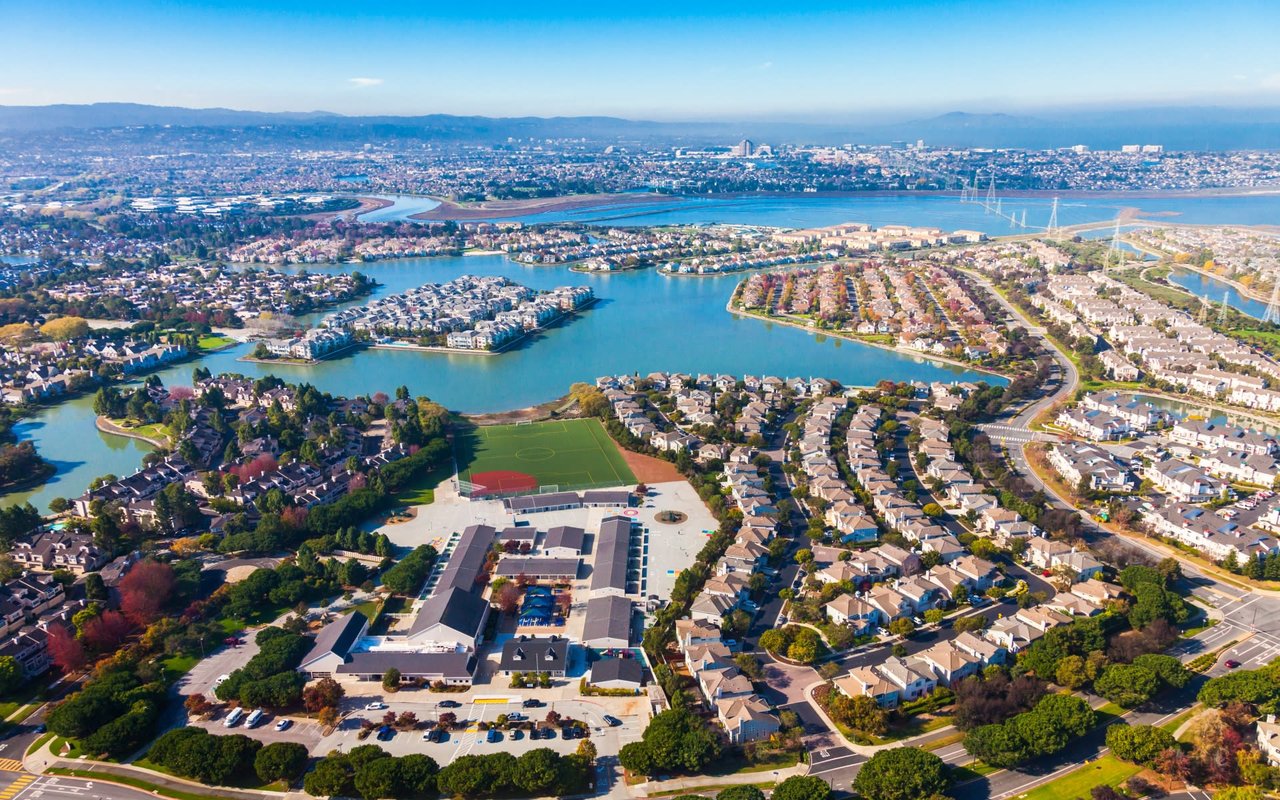
Foster City is a planned community, and its lagoon system is one of the features that makes it stand out. According to the city, the lagoon is a man-made estuary completed in 1971, fed by San Francisco Bay, Belmont Slough, and storm runoff.
That lagoon system is not just for scenery. The city says it serves as a recreational amenity and as part of the storm-drain and floodwater detention system, which means the waterfront here is closely tied to city infrastructure and everyday use.
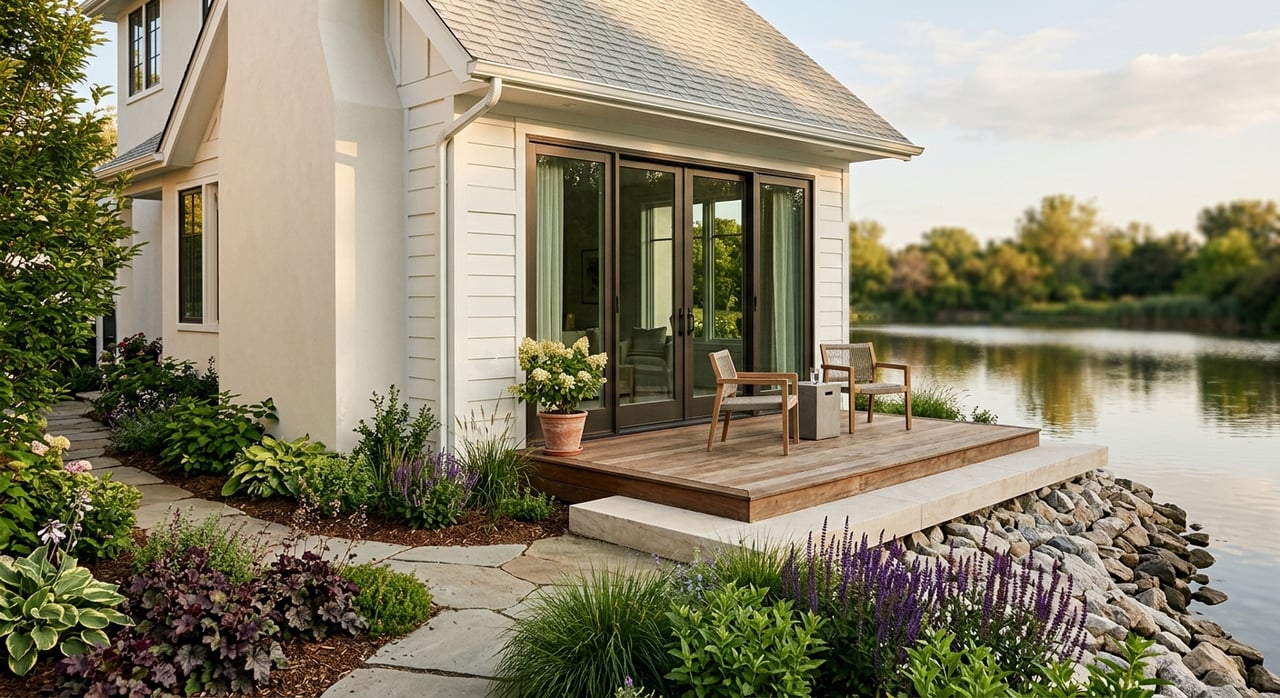
For you as a buyer, that creates a more neighborhood-centered waterfront experience. Instead of a purely open-water edge, you are often looking at homes connected to lagoons, walking paths, parks, and planned residential areas.
How the levee shapes daily life
The levee is another major part of Foster City’s waterfront identity. The city states that it is primarily for flood protection, and that FEMA accreditation keeps city land classified as Zone X.
The levee also connects to the Bay Trail, giving residents space for walking, running, cycling, and skating. That means waterfront living here often includes easy access to outdoor activity, not just water views.
The city reports that the Levee Improvements Project was completed in February 2024 to maintain FEMA accreditation and improve resilience through 2100. For buyers, that points to ongoing public investment around the waterfront and adds useful context when you are evaluating the area.
What kinds of homes you will find
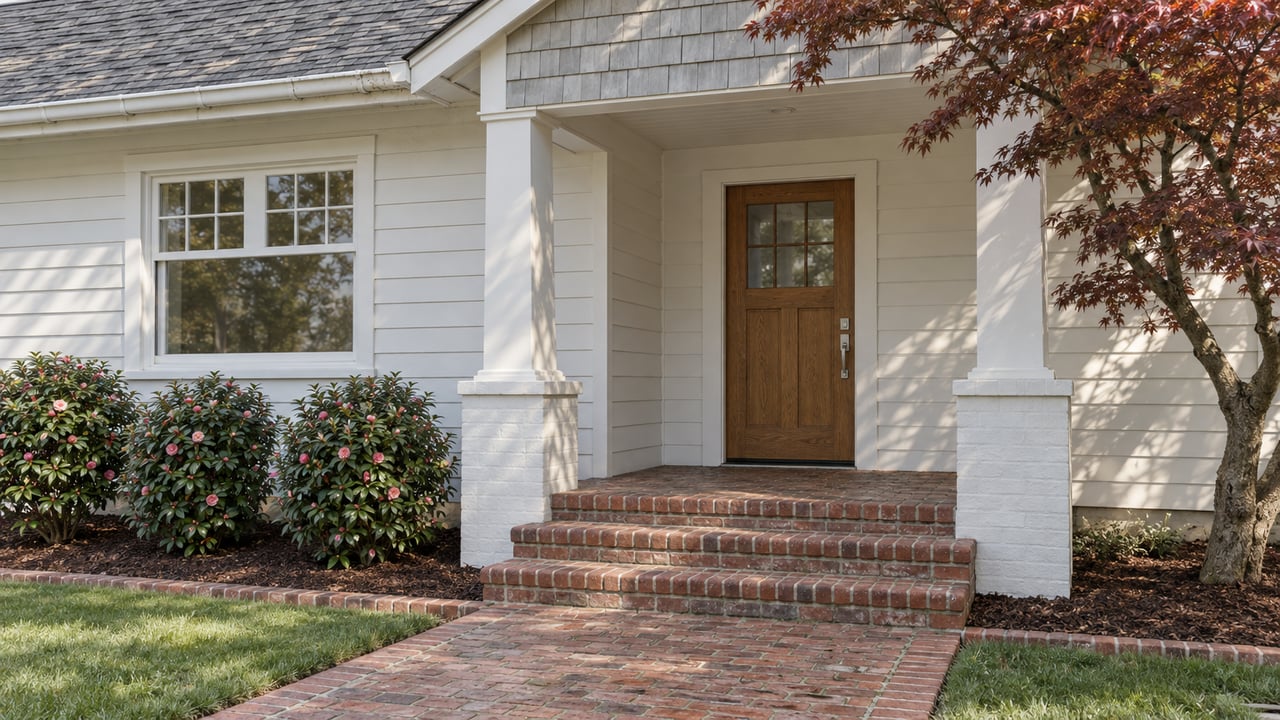
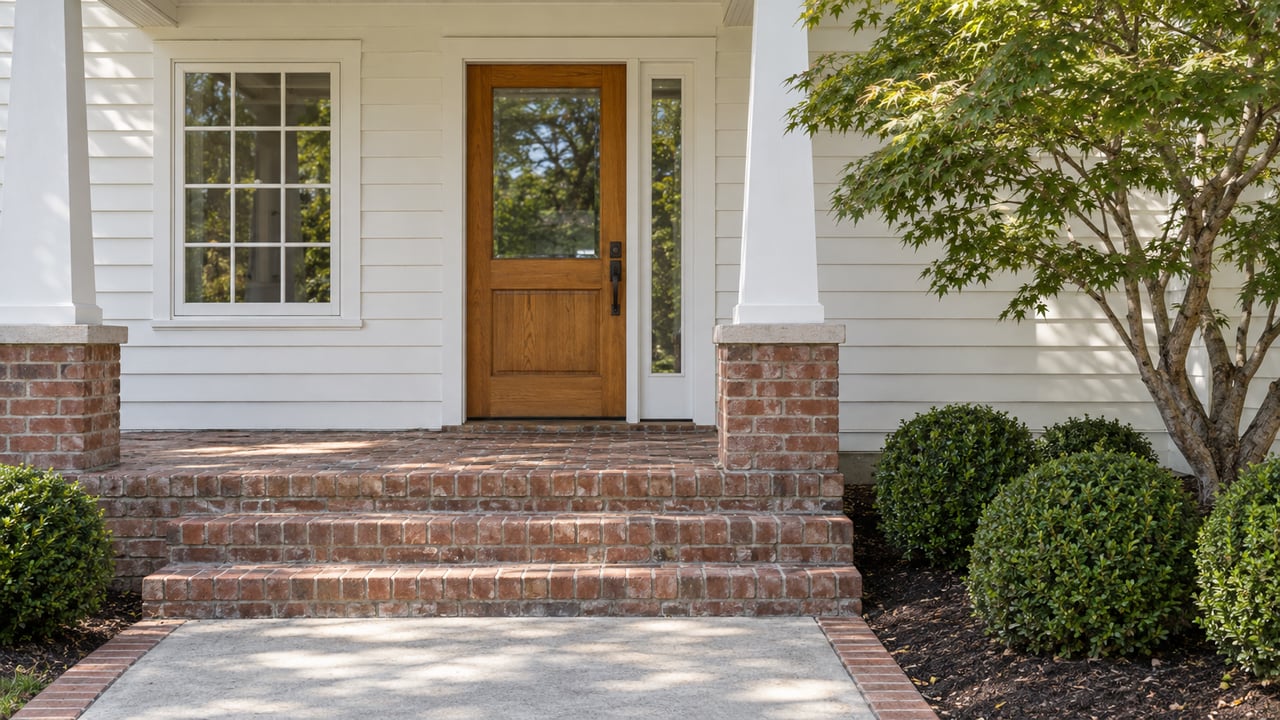
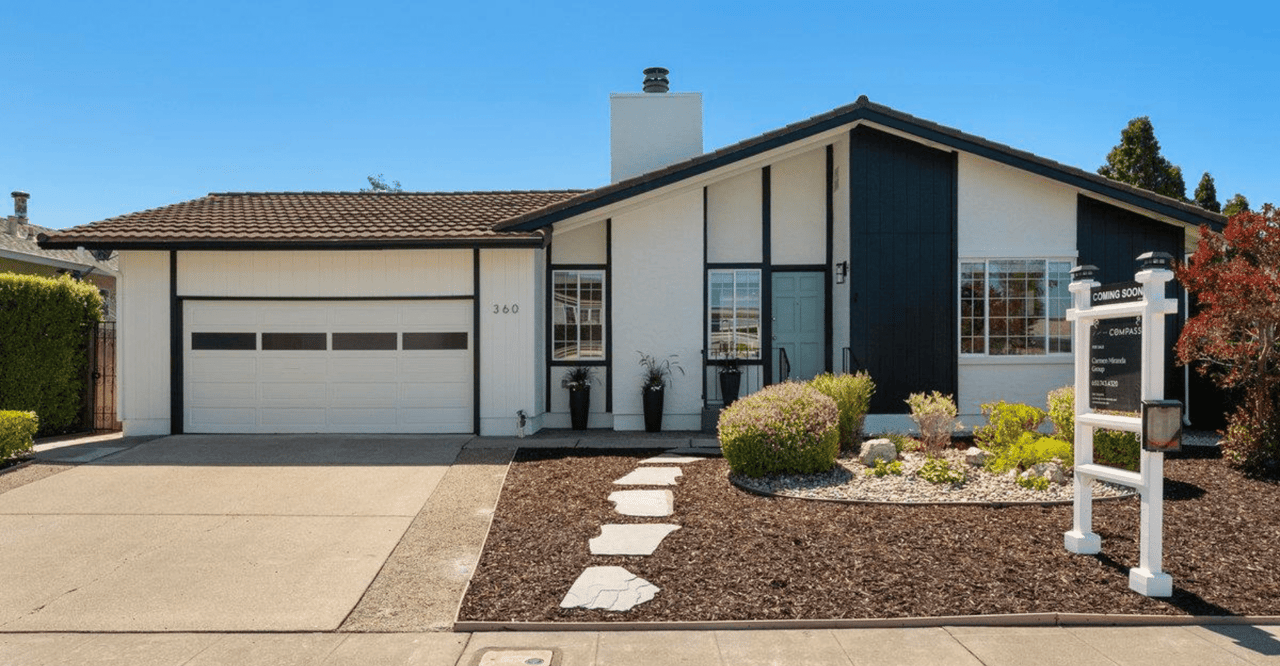
A common mistake is assuming Foster City waterfront housing is all one style. In reality, the city’s housing stock includes a mix of detached homes, attached homes, and multi-unit properties.
As of January 1, 2024, Foster City had 13,811 housing units. The city reports that about 35% are detached single-family homes, 20% are attached single-family homes, 7% are in two- to four-unit buildings, and 38% are in complexes with five or more units.
That matters because your waterfront options may range from a detached home on a larger lot to a townhome or condominium in a managed community. Your budget, maintenance preferences, and lifestyle goals will all play a role in which property type makes the most sense.
Expect a planned-community layout
City planning materials show that Foster City was originally organized around nine residential neighborhoods and a town center. Those materials also note that many neighborhoods include a mix of single-family homes, two-story townhomes, and two- and three-story condominiums and apartments.
The city also says developers were allowed to create micro-communities through homeowners associations. So when you shop for waterfront or near-water property, you are often choosing not just a home, but also a specific community structure with its own rules and shared responsibilities.
Waterfront lifestyle in real terms
Waterfront living in Foster City is about more than what you see from the window. It is also about how you spend your time once you step outside.
The city says Foster City has more than 160 acres of park and open space, while the lagoon system and waterways cover more than 200 acres. The lagoon runs about five miles through the city and supports activities such as sailing, paddling, fishing, and swimming.
That broad access to recreation is a big part of the appeal. If you want a setting where parks, trails, and calm-water activities are part of daily life, Foster City offers a strong match.
Parks that support the waterfront lifestyle
Several public spaces help define how residents use the waterfront. Leo J. Ryan Memorial Park includes 20 acres of lawn, lagoon access, a gazebo, and restrooms.
Boat Park is a 3.2-acre boat-launching site with parking, a boardwalk, picnic tables, and lawn space. Sea Cloud Park offers more than 23 acres of sports fields and youth sports amenities.
Together, these spaces show that Foster City’s appeal is not just visual. It is deeply tied to recreation, open space, and neighborhood use.
What to know about water activities
If you plan to use the lagoon, it helps to understand the city’s rules. Foster City prohibits gas- or diesel-powered boats on the lagoon and limits vessel speed to 5 mph.
The city also notes that children under 13 must wear life jackets on moving recreational vessels under California law. In addition, a city lagoon-management plan describes routine monitoring and management of aquatic vegetation, algae, and bacteria to preserve recreational use.
For buyers, this means lagoon access comes with a structured, managed environment. That can be appealing if you value calmer recreational use and city oversight.
Buyer due diligence for waterfront homes
A waterfront purchase in Foster City usually calls for a little more homework than a standard home search. The goal is not to make the process feel complicated, but to make sure the property fits how you want to live and what you want to own.
Here are some of the biggest items to review carefully.
Verify the exact insurance picture
Flood insurance is one of the first questions many buyers ask. Foster City’s levee page says the city’s levee accreditation keeps the city in Zone X, where mandatory flood insurance is not required.
Even so, insurance details should be confirmed at the parcel level. You will want to verify lender requirements, policy availability, and whether any HOA has master insurance obligations that affect your overall coverage needs.
Earthquake coverage should be part of the conversation too. The California Department of Insurance says standard homeowners and renters policies generally do not cover earthquake damage, so this is typically a separate discussion for Bay Area buyers.
Review HOA documents closely
Because many Foster City neighborhoods were developed with homeowners associations, HOA review is especially important. You should look at CC&Rs, dues, reserve studies, exterior maintenance responsibilities, and any rules tied to common areas or waterfront-facing features.
This is one of the biggest differences between properties that may look similar at first glance. Two homes in the same city can come with very different responsibilities, restrictions, and monthly costs.
Understand remodeling limits
If you are buying with plans to update the home, do your homework early. The city’s R-1 architectural guidelines say the lagoon is a central visual element and that waterfront projects should complement the atmosphere of the area.
That suggests exterior changes may be more context-sensitive than in a typical suburban setting. The city also routes remodel and site-work questions through building, planning, and encroachment permits, so you will want to confirm requirements before changing exteriors, drainage, or landscape features.
Is Foster City waterfront living right for you?
The best waterfront purchase is not always the one with the biggest view. It is the one that matches your daily habits, comfort with shared rules, and plans for the property.
A Foster City waterfront home may be a strong fit if you value:
- Trail access and outdoor activity
- Lagoon recreation such as paddling or sailing
- Parks and open space nearby
- A planned-community setting
- A range of housing types, from condos to detached homes
You may want to compare property types more carefully if you prefer:
- Very limited HOA oversight
- Fewer shared community rules
- A more private open-water setting
- Greater flexibility for exterior changes
None of those preferences is right or wrong. They simply help narrow what kind of property will feel right once the excitement of buying settles into everyday life.
Smart questions to ask before you buy
As you evaluate waterfront or near-water homes in Foster City, these questions can help you stay focused:
- Is this property on a lagoon, near the lagoon, or simply in a waterfront-adjacent area?
- What insurance coverage is typical here, and what does my lender require?
- Is there an HOA, and if so, what do the dues and rules cover?
- Who handles exterior maintenance, docks, fencing, or waterfront-facing elements?
- Are there permit or design limitations if I want to remodel?
- How close am I to trails, parks, and launch areas I actually plan to use?
These are practical questions, but they can make a major difference in long-term satisfaction.
Why local guidance matters
Foster City is not a one-note waterfront market. The housing mix, HOA structures, infrastructure context, and renovation considerations can vary from one property to the next.
That is why local guidance matters so much here. When you have someone helping you compare not just price and condition, but also insurance questions, community structure, and lifestyle fit, it becomes much easier to choose confidently.
If you are considering Foster City waterfront living, working with an advisor who knows the Mid-Peninsula can help you sort through the details, identify the right property type, and move forward with clarity. When you are ready to talk through your options, connect with Carmen Miranda.
FAQs
What is unique about waterfront living in Foster City?
- Foster City’s waterfront lifestyle is centered on a man-made lagoon system, levee-protected bay edge, parks, trails, and planned neighborhoods rather than a typical open-bay shoreline.
What types of waterfront homes can buyers find in Foster City?
- Buyers can find a mix of detached single-family homes, attached homes, townhomes, condominiums, and other multi-unit properties, often within HOA-governed communities.
Do Foster City buyers need flood insurance for waterfront homes?
- The city says levee accreditation keeps Foster City in Zone X, where mandatory flood insurance is not required, but buyers should still verify the exact parcel, lender requirements, and any HOA insurance obligations.
Are HOAs common in Foster City waterfront neighborhoods?
- Yes. City materials note that developers created many micro-communities through homeowners associations, so buyers should review dues, rules, reserve studies, and maintenance responsibilities carefully.
Can buyers remodel waterfront homes in Foster City easily?
- Buyers should confirm permit and design requirements first, because city guidelines say the lagoon is a central visual element and waterfront projects should complement the atmosphere of the area.
What recreational amenities support Foster City waterfront living?
- The city reports more than 160 acres of park and open space, more than 200 acres of waterways, a five-mile lagoon system, and major public spaces such as Leo J. Ryan Memorial Park, Boat Park, and Sea Cloud Park.