Mid-Peninsula Living Guide
Your Guide to Living in Redwood City CA: 2026 Local Guide
What is it like living in Redwood City, CA? Living in Redwood City offers central Mid-Peninsula access, 255 sunny days per year, and 17 distinct neighborhoods. From the walkable Downtown Caltrain hub to post-war Woodside Plaza, hillside Farm Hill estates, and waterfront Redwood Shores, Redwood City delivers diverse housing and convenient commuting.
Wondering what it is really like to live in Redwood City? If you are trying to decide where to put down roots on the Mid-Peninsula, Redwood City stands out for its central location, varied neighborhoods, and everyday convenience. This guide explains how the city is laid out, what daily life feels like, and why buyers see Redwood City as a premier location with real options.
Redwood City Overview
A comprehensive relocation guide evaluating Redwood City's 17 distinct neighborhoods, 84,292 population, 255 sunny days, Caltrain transit, and diverse housing choices.
Geographic & Demographic Profile
Why Redwood City Stands Out
Redwood City sits in the heart of San Mateo County, about 25 miles south of San Francisco and 27 miles north of San Jose. The city covers about 19 square miles and has an estimated 84,292 residents across nearly 29,993 households. It reports about 255 sunny days each year, supporting an active outdoor lifestyle.
One of the biggest strengths of Redwood City is balance. You get a city with residential, industrial, and commercial uses, but it still feels easy to navigate in smaller pockets. That mix provides distinct micro-markets rather than one uniform area.
Micro-Market Directory
Redwood City Neighborhood Types Matrix
A structured comparison detailing Redwood City neighborhood sectors, topographic styles, primary housing mixes, and lifestyle advantages.
Neighborhood Sector | Topographic & Layout Style | Primary Housing Mix | Lifestyle & Location Benefit |
|---|---|---|---|
Downtown & Stambaugh-Heller | Urban Grid & Historic Core | Condos, townhomes & missing-middle units | Walkable to 75+ restaurants, Fox Theatre & Caltrain |
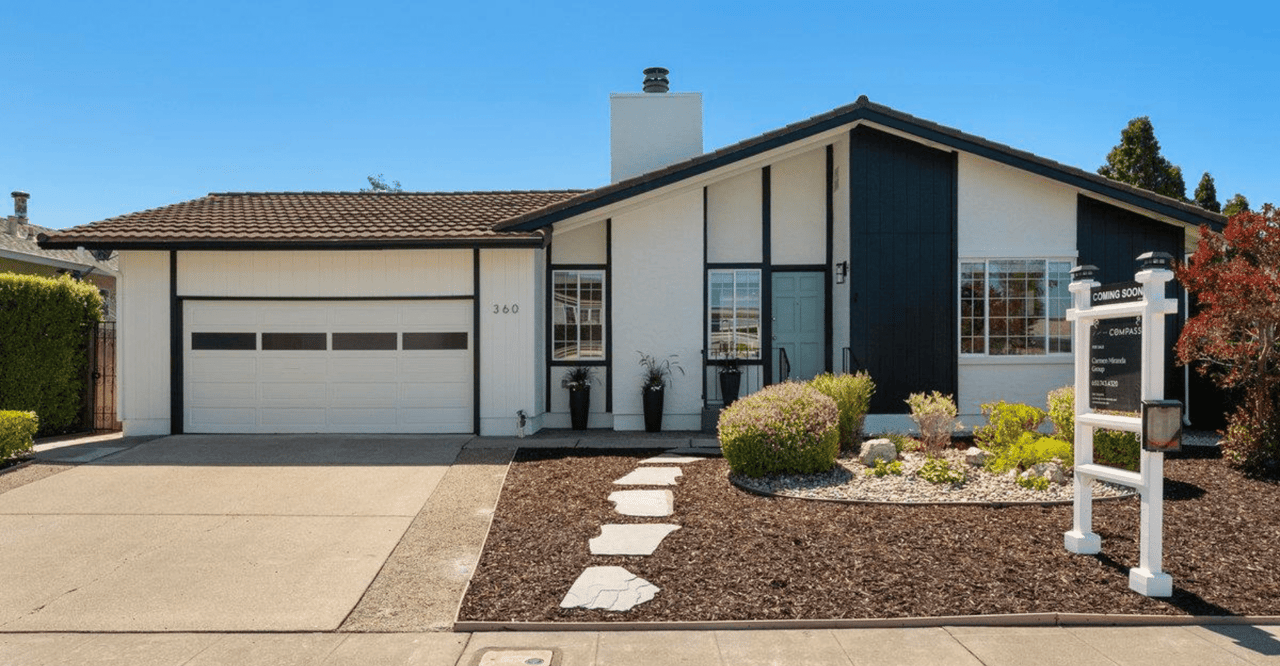
Post-War Pockets (Woodside Plaza) | Suburban Cul-de-sacs | Detached single-family homes | Quiet residential streets, front garages & yards |
Hillside Sector (Farm Hill & Canyon) | Foothill Slopes | Spacious custom single-family estates | Panoramic views, mature trees & privacy |
Waterfront Sector (Redwood Shores) | Masterplanned Lagoon & Bay | Single-family, townhomes & condos | Waterfront trails, lagoon boating & top schools |
Source: City of Redwood City Community Development Department and San Mateo County GIS datasets. Audited for accuracy against regional real estate archives.
Neighborhood Diversity
Redwood City Feels Different by Neighborhood
Redwood City recognizes 17 recognized neighborhoods, including Downtown, Bair Island, Central, Edgewood Park, Farm Hill, Friendly Acres, Mt. Carmel, Redwood Oaks, Redwood Shores, Redwood Village, Roosevelt, Stambaugh-Heller, and Woodside Plaza. These areas reflect natural community boundaries and neighborhood characteristics.
City planning documents describe several neighborhood types, including historic-influence areas, post-war neighborhoods, mixed-density areas, hillside sections, master-planned communities, and waterfront pockets. Roughly 58% of housing is single-family (46% detached and 12% attached), about 40% is multifamily, and 2% is mobile-home or other housing.
Downtown Redwood City Living
If you want an urban feel, Downtown Redwood City is the clearest match. Official city materials describe downtown as a major center with more than 75 restaurants, 75 retail and fitness businesses, a strong entertainment district, public art, museums, theatres, and community spaces. The area has added more than 500 new housing units since 2020.
Historic Core and Caltrain Transit
Downtown is also where the historic core is most visible. The Path of History highlights more than 150 years of local history, including the historic courthouse, Fox Theatre, public library, and Sequoia Hotel. The Stambaugh-Heller district holds the largest number of pre-1900 buildings in Redwood City.
Post-War Neighborhood Pockets
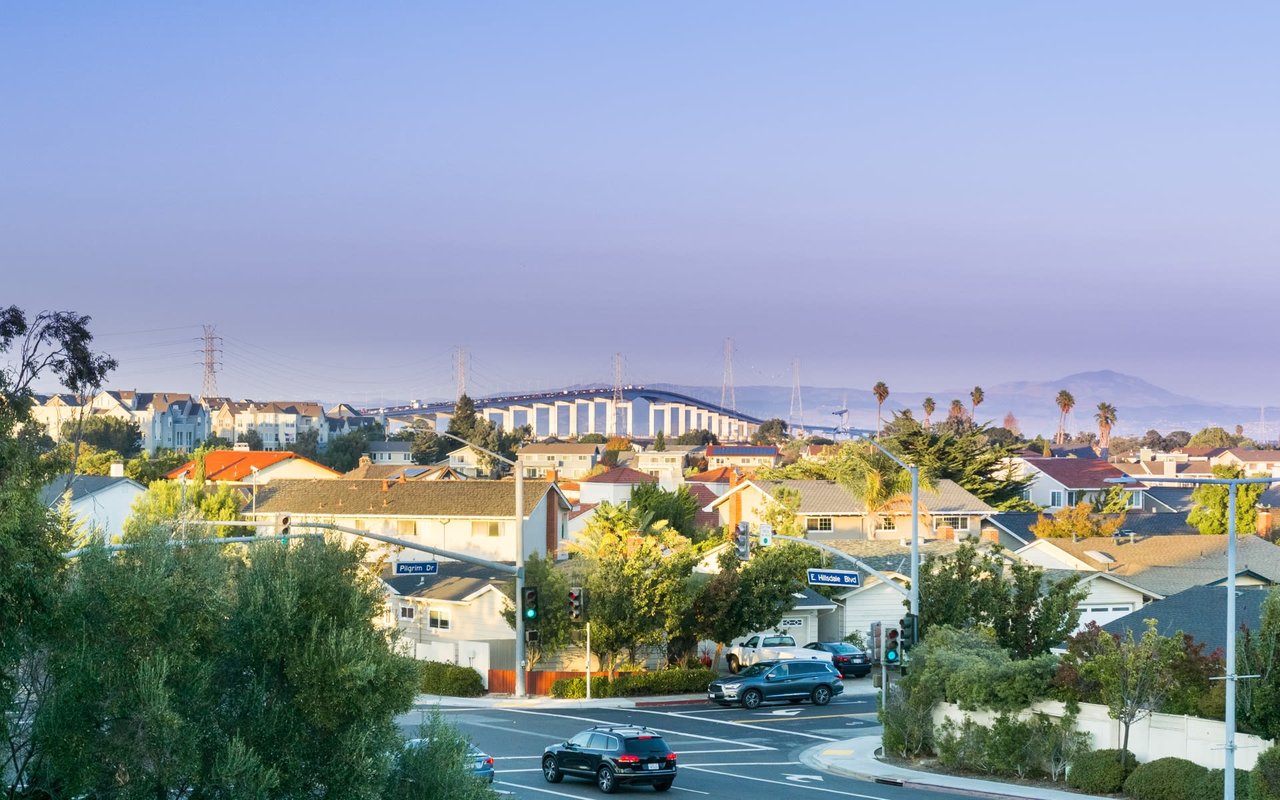
If your ideal setup feels more traditional, Redwood City post-war neighborhoods offer lower-density detached homes built in the mid-20th century around cul-de-sacs and front-drive garages. Neighborhoods such as Woodside Plaza, Friendly Acres, Redwood Oaks, and Redwood Village appeal to buyers seeking a conventional residential setting.
Hillside and Waterfront Options
Redwood City includes both hillside and waterfront environments. Hillside neighborhoods in the foothills of the Santa Cruz Mountains feature curving streets and larger homes across Canyon, Farm Hill, Eagle Hill, and parts of Roosevelt.
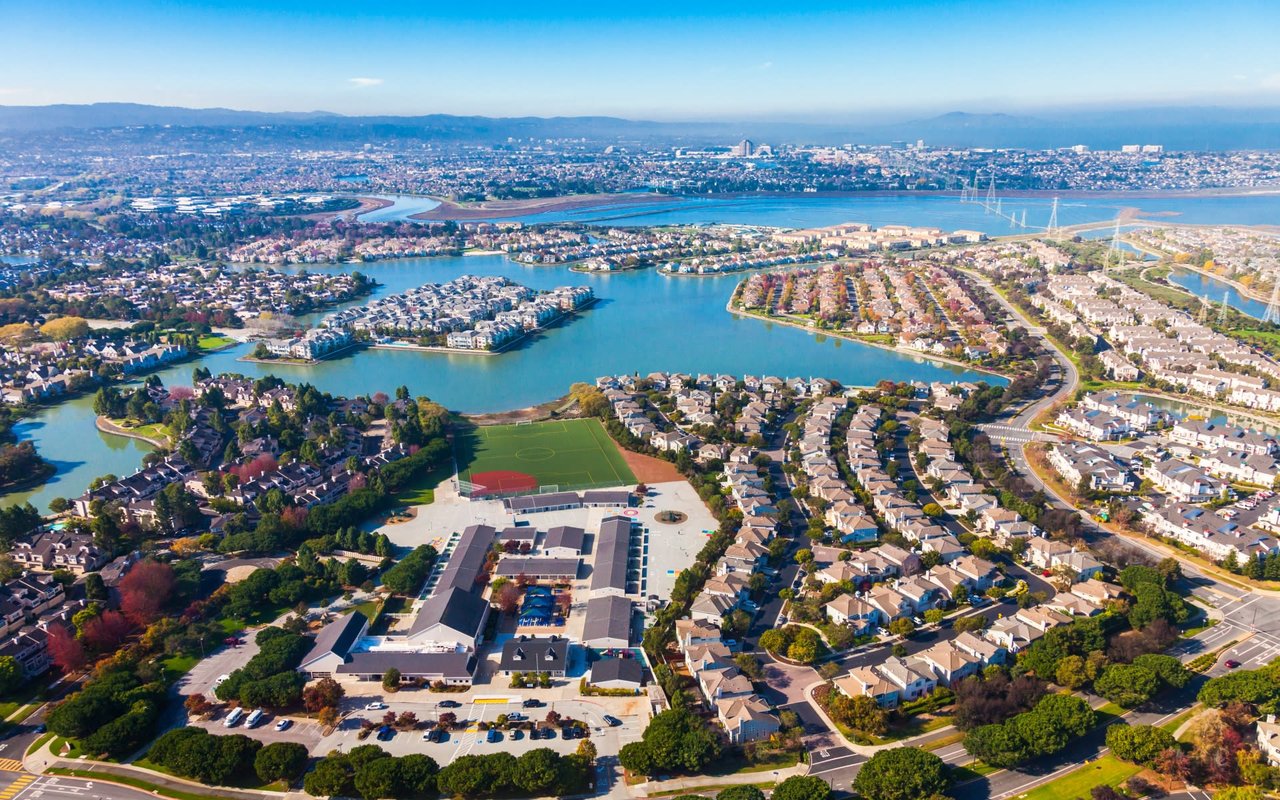
On the waterfront, Redwood Shores offers a master-planned setting with mixed land uses, multiple housing types, and open space. The Redwood Shores Lagoon serves as a focal point for housing, retail, and recreation.
Everyday Living & Transit
Everyday Life and Commuting in Redwood City
Daily life centers on downtown amenities, parks, and community events. Courthouse Square hosts city programming like Music on the Square. Redwood City features more than 30 parks, ranging from small neighborhood spaces to 40-acre sites like Stulsaft Park, which offers hiking trails, picnic areas, and an off-leash dog area.
Caltrain Station: Downtown Redwood City Station (Baby Bullet Express stop)
Transit Routes: SamTrans 270, 276 & 296 connecting Menlo Park & Palo Alto
Caltrain Express Access
Downtown Caltrain station offers direct express service northbound to San Francisco and southbound to Silicon Valley.
Highways 101 & 280
Immediate arterial access facilitates seamless vehicle commutes across San Mateo and Santa Clara counties.
30+ City Parks
Generous outdoor park network including 40-acre Stulsaft Park and waterfront open spaces.
Courthouse Square Events
Lively downtown civic plaza hosting summer concerts, outdoor movies, and community cultural festivals.
Buyer Guidance
What Redwood City Means for Buyers and How to Approach Your Search
For buyers, Redwood City comes down to range. It is one of the most transit-oriented options on the Mid-Peninsula, but it also includes neighborhoods that feel quieter, more conventional, hillside-driven, or waterfront-focused. Few cities pack that many different living patterns into one location.
Downtown Proximity vs Privacy
Determine whether walking to downtown dining, events, and Caltrain outweighs the desire for a secluded hillside lot in Farm Hill.
Housing Layout Preferences
Evaluate whether a detached single-family home in Woodside Plaza, a townhome near transit, or a waterfront condo in Redwood Shores fits your space needs.
Commute Priority Weighting
Balance the convenience of downtown train access against quick freeway connections via Highway 101 or Interstate 280.
Related Reading & Resources
Related San Mateo Real Estate Guides
Explore additional San Mateo County neighborhood guides, seller strategies, and local relocation resources.
Carmen Miranda | Compass Real Estate
Carmen Miranda is a top-producing luxury real estate broker specializing in high-net-worth residential property sales across San Mateo, Redwood Shores, Redwood City, San Carlos, Belmont, and Foster City. With decades of Peninsula market experience and Compass technology, Carmen delivers exceptional outcomes for buyers and sellers.
Relocation Inquiries
Frequently Asked Questions
What is Redwood City known for as a place to live?
Redwood City is known for its central Mid-Peninsula location, active downtown, varied neighborhoods, broad housing mix, and about 255 sunny days per year.
What is Downtown Redwood City like for everyday living?
Downtown Redwood City offers an urban setting with over 75 restaurants, retail, entertainment, public art, community events, new housing, and direct access to Caltrain.
What kinds of homes can you find in Redwood City?
Redwood City includes single-family homes, attached townhomes, multifamily condos, and missing-middle housing such as duplexes, triplexes, and fourplexes near transit.
What are Redwood City neighborhoods like outside downtown?
Outside downtown, options include post-war residential pockets like Woodside Plaza, hillside neighborhoods like Farm Hill, and waterfront masterplanned areas like Redwood Shores.
How do you commute from Redwood City?
Redwood City offers Caltrain service from downtown, SamTrans bus connections to nearby Peninsula destinations, and convenient access to Highways 101 and 280.
Is Redwood City a good fit if you want options?
Yes, Redwood City is an ideal fit if you want choices, offering multiple neighborhood styles, property types, and commuting patterns within one community.
Explore Redwood City Real Estate
Find Your Redwood City Home With Carmen Miranda
Whether you are buying your first Peninsula home, relocating, or planning a move within San Mateo County, Redwood City offers an incredible array of lifestyle options. Connect with Carmen Miranda today for thoughtful, tailored guidance on your next move.